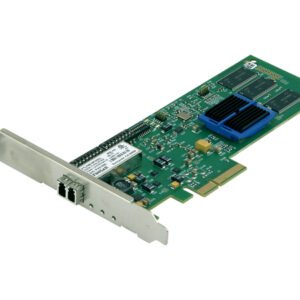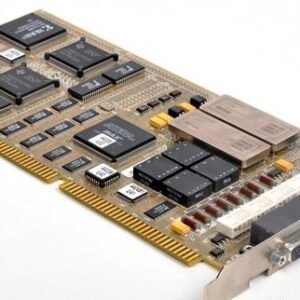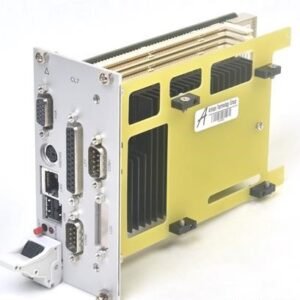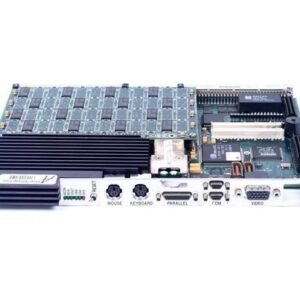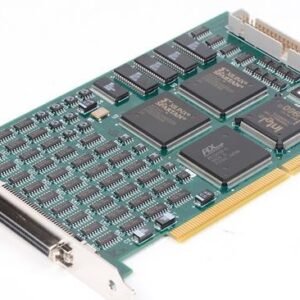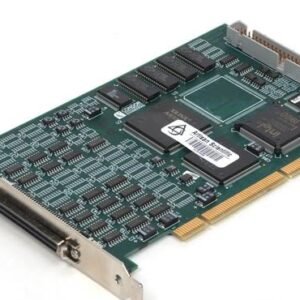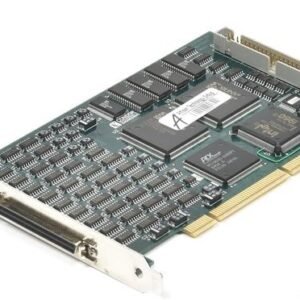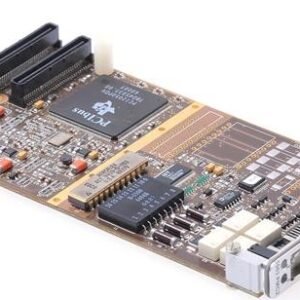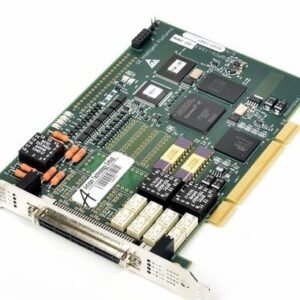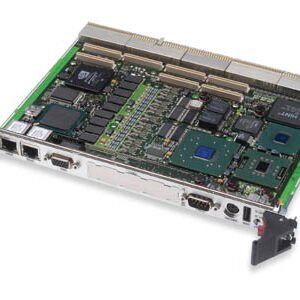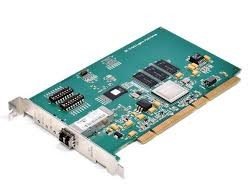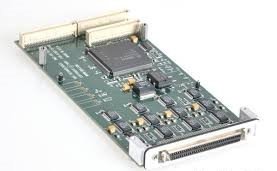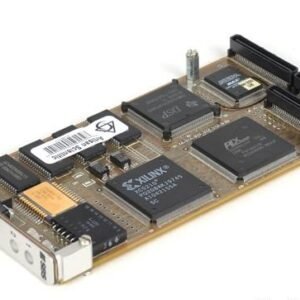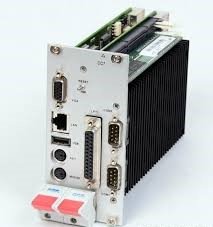
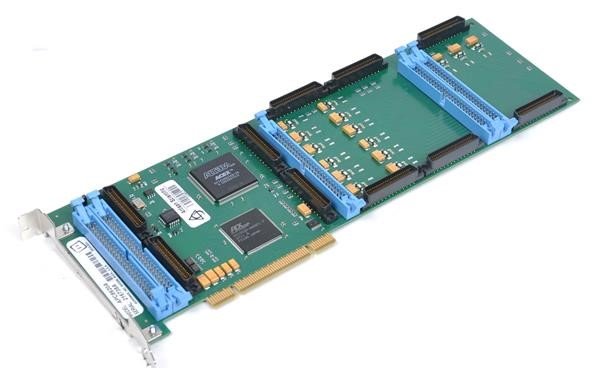

The Acromag APC8620A is a non-intelligent PCI bus carrier card that interfaces Industry Pack (IP) modules with PCI bus systems in PC-based computers. It enables modular I/O assembly through five configurable IP module slots, supporting either five single-size modules or two double-size and one single-size module. A single populated carrier replaces multiple dedicated function PCI boards, delivering cost-effective custom I/O configurations with analog input/output, digital input/output, and serial I/O functions.
Technical Specifications
IP Module Architecture
• Five ANSI/VITA 4 compliant IP module slots (A-E)
• Supports third-party manufacturer modules
• IP module I/O space: 16 and 8-bit addressing with 128 byte values per module
• IP module ID space: 16 and 8-bit addressing, Type I 32 bytes
• MEM and INT spaces supported
Power and Electrical
• +3.3 V (±10%): 130 mA typical, 50 mA maximum
• +5 V (±5%): 30 mA typical, 50 mA maximum
• ±12 V supplied to each IP module
• Two interrupt channels per IP module
Physical Characteristics
• Form factor: PCI Universal Card (3.3 V or 5 V compatible)
• Length: 312.0 mm (12.283 inches)
• Height: 106.68 mm (4.200 inches)
• Board thickness: 1.59 mm (0.062 inches)
• Maximum component height: 9.65 mm (0.380 inches)
• Maximum height under IP modules: 4.57 mm (0.180 inches)
• 50-pin male header connectors (A-E field I/O)
• Front access I/O mounting
Environmental and Reliability
• Operating temperature: 0 to 70°C
• Storage temperature: -55 to 100°C
• Relative humidity: 5–95% non-condensing
• MTBF: 413,003 hours at 25°C (MIL-HDBK-217F, notice 2)
– Key Features
• Plug-and-play carrier configuration and interrupt support
• Full IP module register and data access via software
• Supervisory circuit reset generation
• Non-intelligent architecture reduces cost and complexity
– Software Support
• RTOS VxWorks, QNX, Linux
• Windows DLL for 2000/XP/Vista/7 32-bit systems
– Compatibility & Integration
The APC8620A accepts ANSI/VITA 4 compliant modules from Acromag and third-party manufacturers, enabling flexible mixed-function configurations while maintaining standard register and data access across all supported software environments.