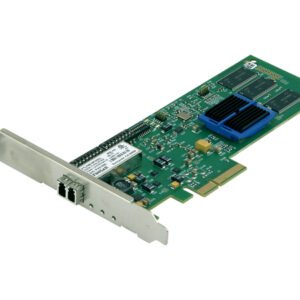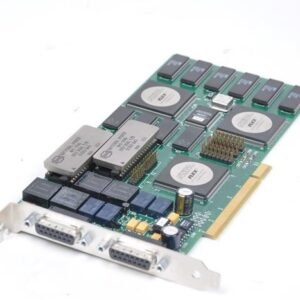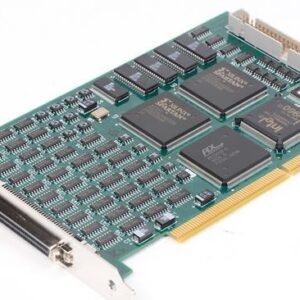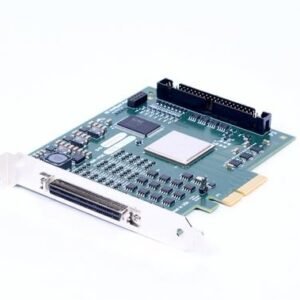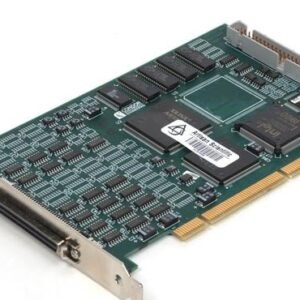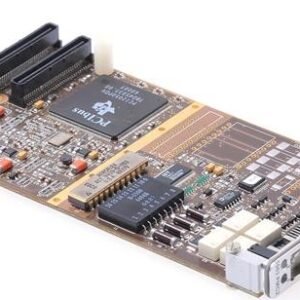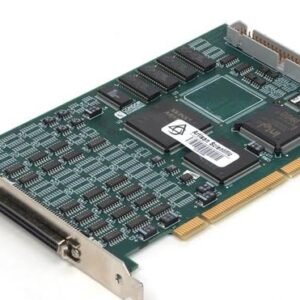
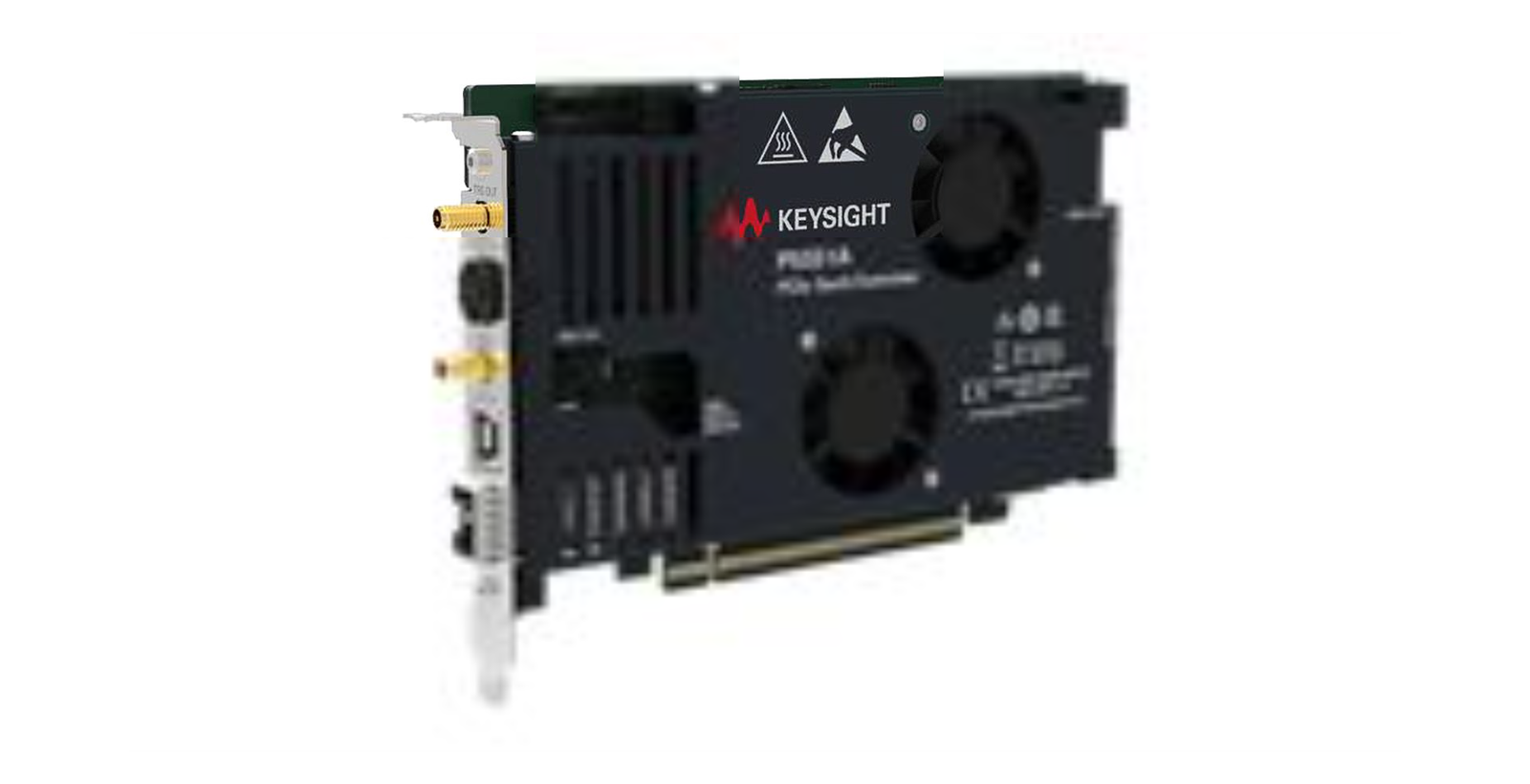

The Agilent/Keysight P5551A is a PCIe 5.0 Protocol Exerciser for testing and validating PCIe designs across all major protocol generations. It emulates both PCIe root complex and endpoint devices, enabling comprehensive verification and debug of PCIe implementations. The instrument supports PCIe 1.0 through 5.0 standards with data rates from 2.5 GT/s (Gen1) to 32 GT/s (Gen5), accommodating lane widths of x4, x8, and x16.
Technical Specifications
Protocol Support
• PCIe 1.0, 2.0, 3.0, 4.0, and 5.0 standards
• Data rates: 2.5 GT/s to 32 GT/s
• Lane configurations: x4, x8, x16
• Automated link training to 32 GT/s
• Speed change capability from 2.5 GT/s to maximum supported speed
• PCIe 5.0 link training bypass support
Electrical Characteristics
• Follows all PCIe 5.0 electrical specifications
• Trigger Output: 50 Ω impedance, VOH 2.4 V, VOL 0.55 V, 2.4 V amplitude (open), 1.2 V amplitude (50 Ω load), 120 nS pulse width
• Trigger Input: Maximum 3.0 V, VIH 2.0 V
Environmental
• Operating temperature: +5 °C to +35 °C
• Installation category II, pollution degree 2 (indoor use)
– Key Features
• Single add-in-card design with improved signal integrity
• Configurable signal integrity characteristics for variable test environments
• Precise power management stimulus for L0, L0s, and L1 substates
• Integrated low-noise power supply with auxiliary PCIe power for high-power endpoints
• Over 100 built-in LTSSM test cases
• LTSSM state machine control and support (all states except L2 and Loopback)
• Lane reversal and polarity detection
• Scalable flow control support
• Traffic generation via GUI or automated scripts (C# and Python APIs)
– Interfaces and Connectors
• Power input connector
• USB 3.0
• Two SMA(f) connectors (trigger in/out)
• PCIe edge connector (width configurable per lane width)
– Typical Applications
• Root complex and endpoint device emulation for PCIe design validation
• Link training and protocol compliance testing
• Power state management verification
• Signal integrity characterization and optimization
• LTSSM behavior validation across PCIe generations