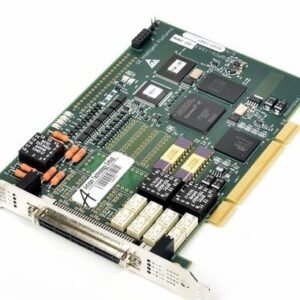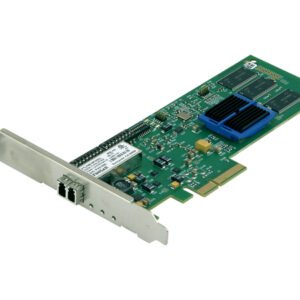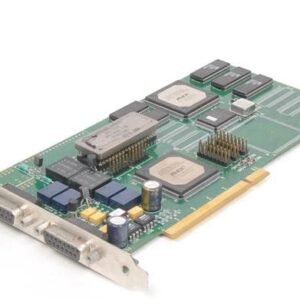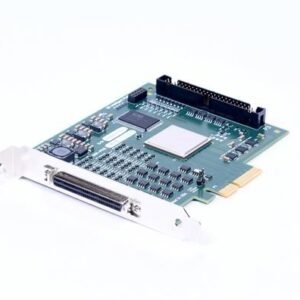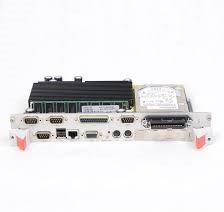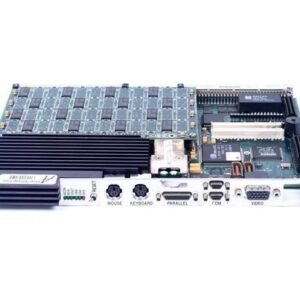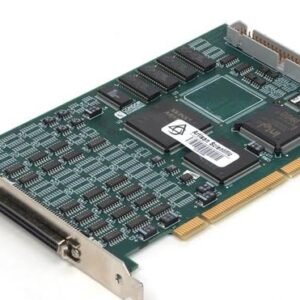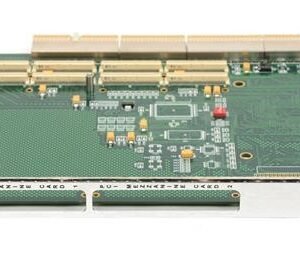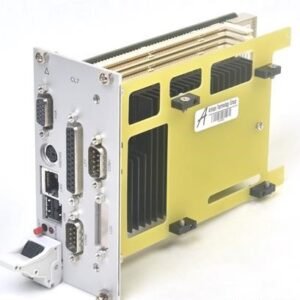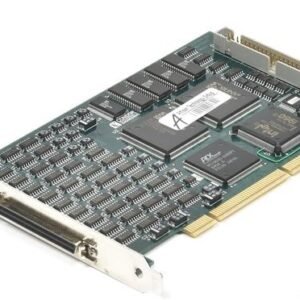
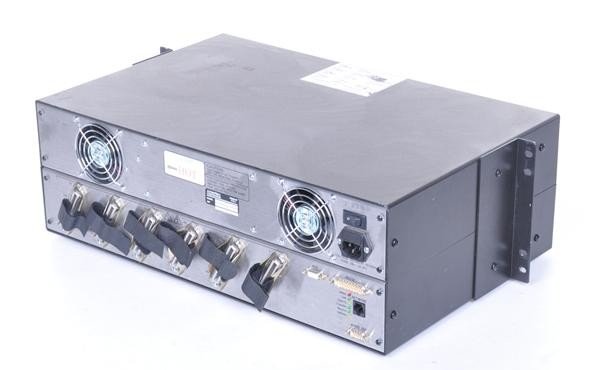

The Ameritec CRS-D Crescendo is a digital call generator that simulates telephony subscribers placing calls into network infrastructure for comprehensive testing of telecommunications equipment. It supports up to 192 simultaneous calls across eight T1 interfaces (24 channels per T1 at 1.544 Mbps) or equivalent E1 capacity (2.048 Mbps), and scales to thousands of virtual subscribers when networked with other Ameritec Crescendo, Niagara, or Squirt units. The platform accommodates analog loop-start circuits, T1 CAS trunks, E1 CAS trunks, BRI, optional PRI (in four-trunk increments), optional SS7/C7 signaling (in four-trunk increments), and Northern Telecom EBS interfaces, enabling realistic test scenarios across diverse network topologies.
Technical Specifications
• Simultaneous Call Capacity: 192 calls (8 T1 interfaces × 24 channels)
• T1 Interface: Eight 1.544 Mbps PCM T1 CAS trunks (two groups of four)
• E1 Interface: Eight 2.048 Mbps PCM E1 CAS trunks (two groups of four)
• BRI Support: Yes
• PRI Option: Four-trunk increments
• SS7/C7 Signaling Option: Four-trunk increments with dedicated Common Channel Signaling processor
• Analog Circuits: Loop start lines supported
• Northern Telecom EBS: P-phone protocol supported
• Software Control: Ameritec FeatureCall GUI (Windows-based), manages up to 32 Crescendo units over TCP/IP LAN
– Key Features
• User-defined Call Scripts enable independent subscriber action control
• Voice replay capability: up to 64 two-second messages (limited on ISDN-PRI and SS7 options)
• Multi-party call simulation for conference testing
• Script functions include signaling, dialing, Voice over Packet, digit decoding, tone send/receive, and path verification
• Ameritec ScriptMate provides graphical test script development via Call Flow Diagrams
– Typical Applications
• Switch and trunk testing
• Network infrastructure validation
• Development and regression testing
• QA testing under high-volume call loads
• Interactive application simulation
– Compatibility & Integration
The CRS-D operates as a standalone unit or integrates into larger test systems via FeatureCall LAN control, enabling distributed load generation across multiple Crescendo platforms.