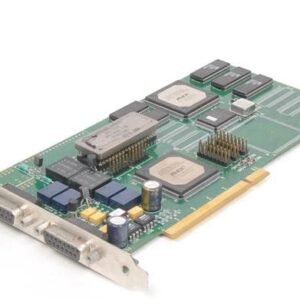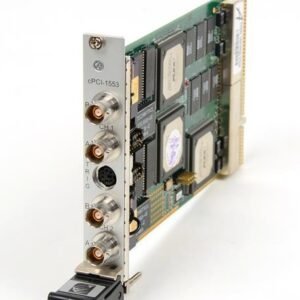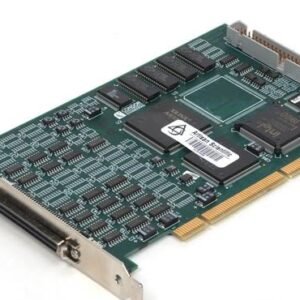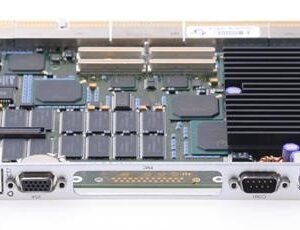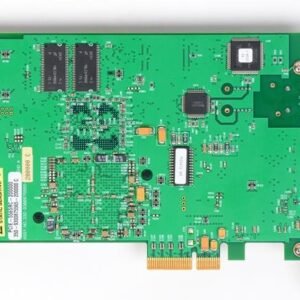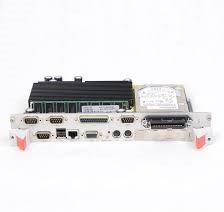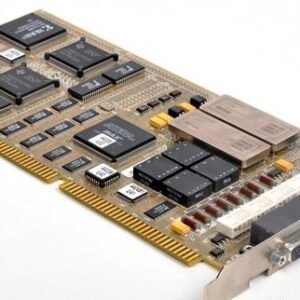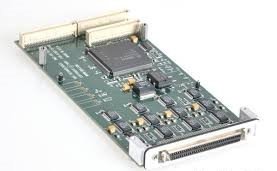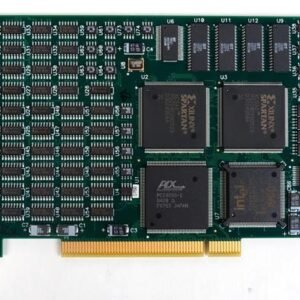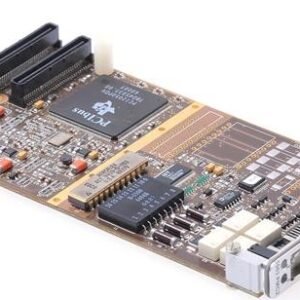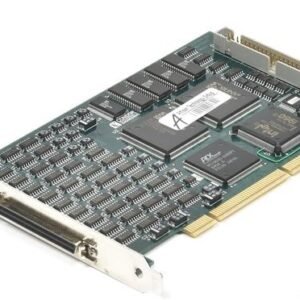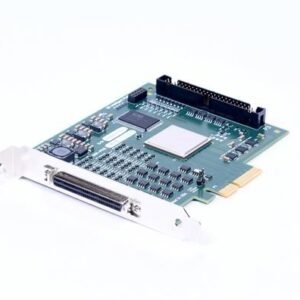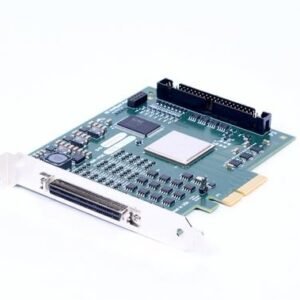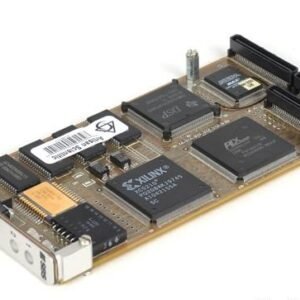
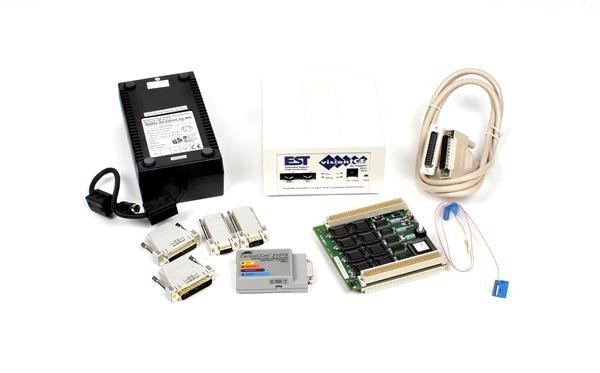

The Intel/Wind River/EST VisionICE Scalable Emulator for PowerPC is a modular emulation platform engineered for real-time debugging and performance analysis of embedded systems built on Motorola MPC8xx PowerPC processors. The system scales from entry-level Background Debug Mode (BDM) capabilities through visionCONTROL to advanced emulation and logic analysis via optional visionEVENT and visionNET modules. It delivers complete real-time debugging, hardware event isolation, precision trace buffering, and network-based remote debugging over Ethernet.
Technical Specifications
• Processor Support: Motorola MPC8xx PowerPC family
• Target Operating Voltage: 3.3V and 5V
• Maximum Target Speed: 40 MHz
• Hardware Breakpoints: 64 × 132-bit configuration for processor interruption or trace buffer triggering
• Real-time Trace Buffer: 128 Kbytes × 96-bit, fully selectable
• Time Stamp Resolution: 48-bit
• Overlay Memory: Up to 4 Mbytes of RAM in visionICE Pod Assembly
– Key Features
• Hardware event system with event isolation
• Real-time trace and time-stamp capability for performance tuning
• On-chip debugging services leveraging MPC8xx core BDM architecture
• visionCONTROL module provides software breakpoints, memory/register access, and code performance profiling
• visionEVENT module enables high-end emulation and real-time logic analysis
• visionNET module delivers full Ethernet support for shared and remote debugging across LAN infrastructure
• Significantly reduced download times for large software images to target systems
– Typical Applications
• Complex embedded systems development and optimization
• Real-time kernel integration and validation
• Multi-processor debug scenarios requiring network-based access
• Performance characterization and timing analysis of PowerPC-based designs
– Compatibility & Integration
• Supports Motorola MPC8xx microprocessor family across PGA and FQFP package types
• Direct plug-in visionICE Pod Assembly configuration
• Compatible with leading source-level debuggers and real-time kernels
• Diagnostic functions and automatic chip select initialization included