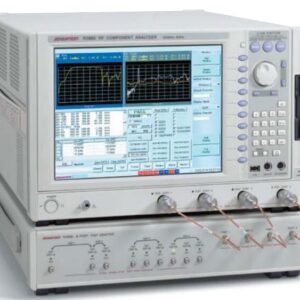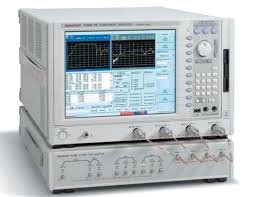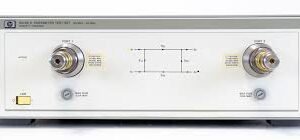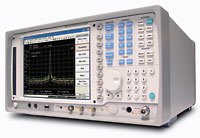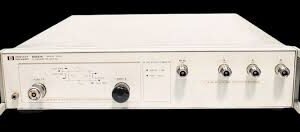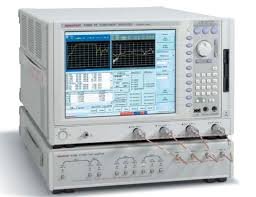

The Marconi IFR Aeroflex 2959 Multi-Mode Cellular Test Set is a multi-mode cellular instrument engineered for manufacturing, research, and maintenance testing across AMPS, NAMPS, TDMA, and CDPD technologies. It delivers accurate RF measurements, modulation analysis, and signaling verification for both infrastructure and mobile device validation. The platform supports manual and automated test sequences with user-defined pass/fail criteria, enabling efficient device characterization and troubleshooting across multiple cellular modes.
Technical Specifications
Supported Standards: AMPS, NAMPS, TDMA (ANSI-136), CDPD
RF Performance:
• Mobile Station Tx: 824.01 to 848.97 MHz
• Mobile Station Rx: 869.01 to 893 MHz
• Output Level: -40 to -127 dBm with 0.1 dB resolution and ±1.5 dB accuracy
• T/R Port VSWR: <1.5:1
• Maximum Input Power: 5 W continuous into T/R connector
Modulation & Signaling:
• Vocoder Support: VSELP and ACELP
• Constellation analysis for π/4 DQPSK modulation
• FM Deviation: ±4.8 kHz peak, ±240 Hz at 0.01 kHz resolution
• GMSK modulation with burst power measurements for CDPD
• Cross-mode hand-off support for multi-mode device testing
Audio: 1 kHz test tone (AMPS), NAMPS DSAT/DST codes 0–6, 300 Hz to 3 kHz audio frequency range
Timebase: 10 MHz nominal with ±0.1 ppm uncertainty and ±0.1 ppm temperature stability
Power & Connectors:
• AC Input: 100–240 VAC, 47–63 Hz
• DC Input: 11.5–15 VDC
• Power Consumption: <75 W
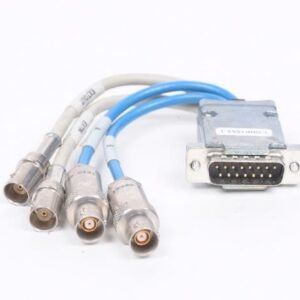
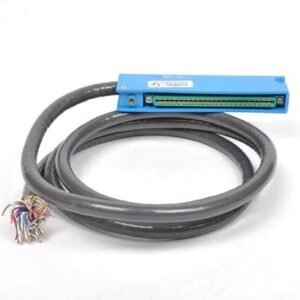
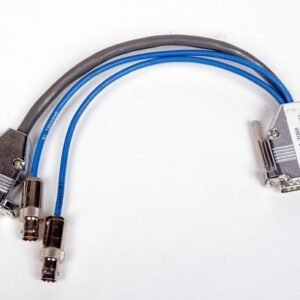
• T/R Connector, GPIB, RS232, serial interface cable included
Physical: 164.9 × 303.6 × 381.5 mm
– Key Features
• Built-in antenna and cable loss tester
• Transmit and receive performance plotting across operating frequency range
• CDPD modem testing with GMSK modulation analysis
• Comprehensive signaling analysis capabilities
• Manual test mode with individual test execution control
– Typical Applications
Device manufacturing final test, network infrastructure validation, mobile phone troubleshooting, CDPD modem characterization, multi-mode hand-off verification
– Compatibility & Integration
Full instrument control via GPIB and RS232 interfaces. Serial connectivity for automated test sequences and data logging.