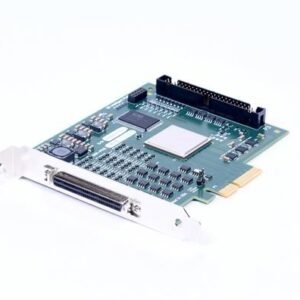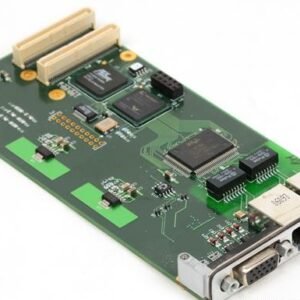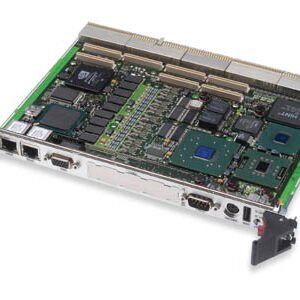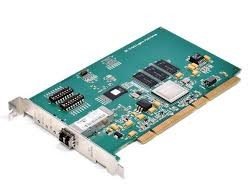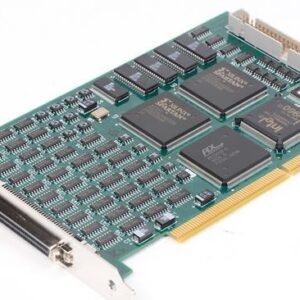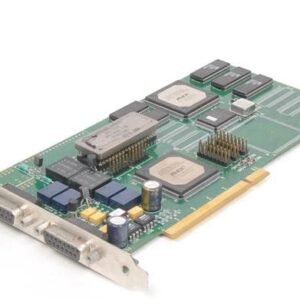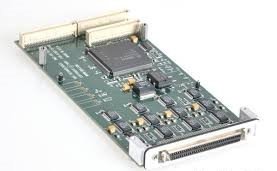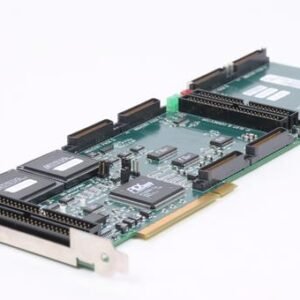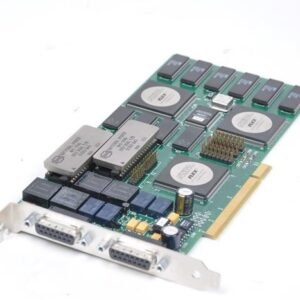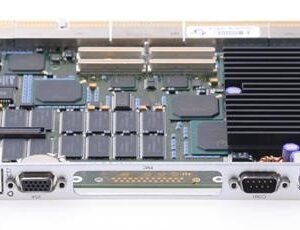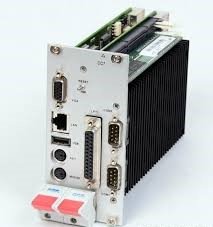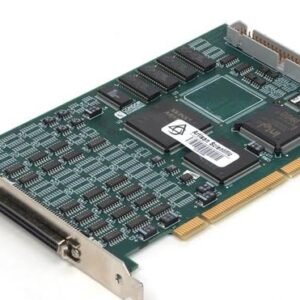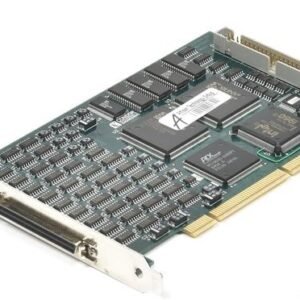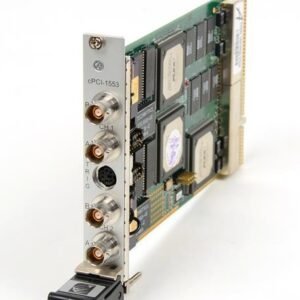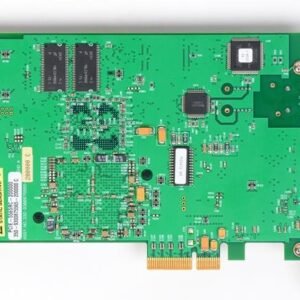

The NI PCI-8331 MXI-4 Interface Module is a full-sized PCI card that bridges a host computer’s PCI bus to remote PXI or CompactPCI chassis via MXI-4 technology. This copper cable interface enables direct control of PXI systems from standard desktop computers and servers without additional programming, effectively extending computing resources and system flexibility. The transparent link architecture allows PXI modules to operate as though directly installed in the host system.
Technical Specifications
Data Transfer Performance
• Peak data transfer rate: 132 Mbytes/s
• Sustained data transfer rate: 78 Mbytes/s
• Serial data rate: 1.5 Gbit/s
Physical & Connectivity
• Form factor: Full-sized PCI card
• Interface technology: MXI-4 (Multi-System Extension Interface 4)
• Connection medium: Copper cabling, maximum 10 meters
• PCI compliance: Specification Revision 2.2 or later
• Signaling support: 3.3 V and 5 V PCI environments
Environmental Operating Conditions
• Temperature: 0 to 55 °C (operating), –20 to 70 °C (storage)
• Humidity: 10 to 90% non-condensing (operating), 5 to 95% non-condensing (storage)
• Operating vibration: 0.3 grms, 5 to 500 Hz
• Non-operating vibration: 2.4 grms, 5 to 500 Hz
Physical Dimensions
• Approximately 4.2 x 6.9 inches
– Key Features
• Software-transparent link requires no driver modification or additional programming
• Supports multi-chassis PXI system configurations using daisy-chain or star topologies
• Accommodates up to 255 bus segments in PCI hierarchy
• Increases available CompactPCI or PXI slots for system expansion
• Dual voltage signaling ensures broad host platform compatibility
– Typical Applications
Distributed test systems requiring remote PXI chassis control, multi-site measurement networks, and applications demanding extended system modularity beyond single-chassis constraints.
– Compatibility & Integration
The PCI-8331 integrates with any PCI bus host system (desktop or server). The MXI-4 serial link operates transparently to existing software and drivers, enabling straightforward integration into established test architectures. Power sequencing requires that expansion chassis remain powered until the host system is shut down to prevent crashes or hangs.