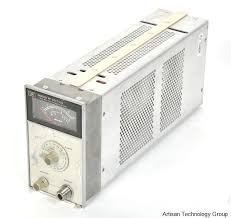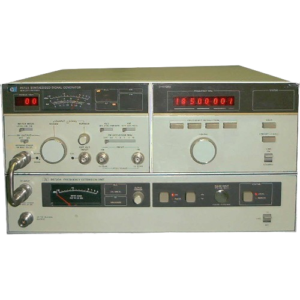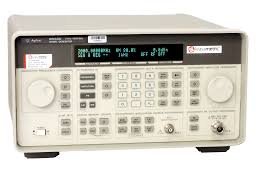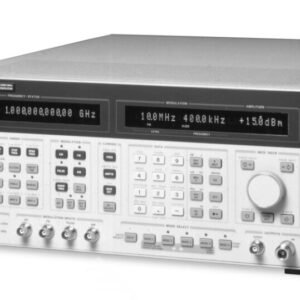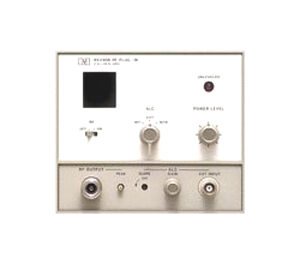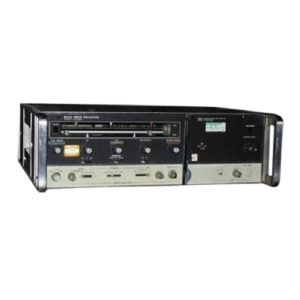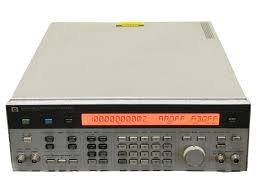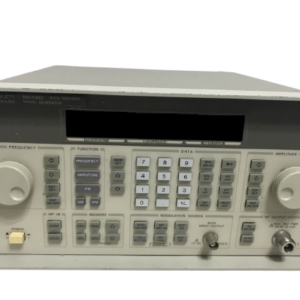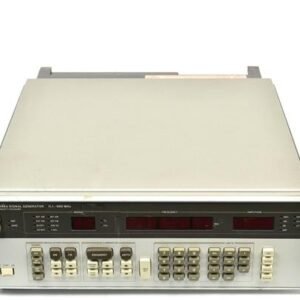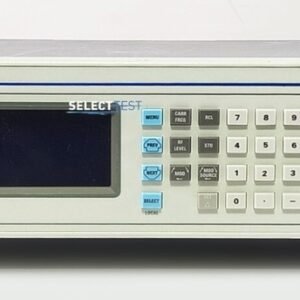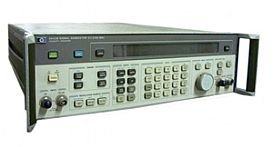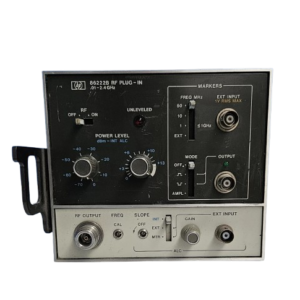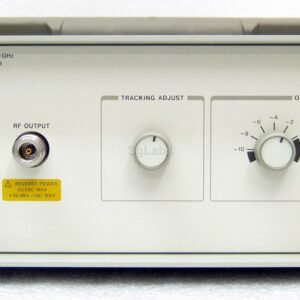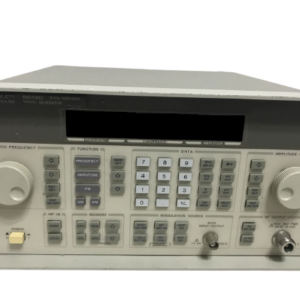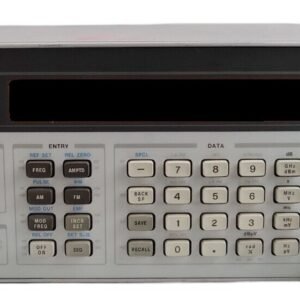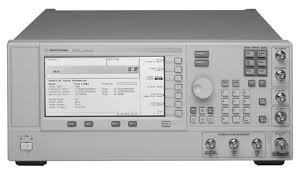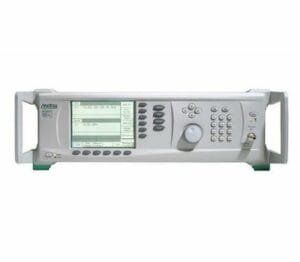

The Anritsu 68137C is a synthesized signal generator delivering precision frequency synthesis and signal generation across 2–20 GHz. Built for telecommunications, aerospace, and defense applications, it combines ultra-low phase noise, high output power, and extensive modulation flexibility to support laboratory and field testing environments. The instrument features phase-locked step and list sweep modes, master/slave synchronization capability, and configurable pulse modulation for radar and converter characterization. Advanced connectivity and automation support streamline integration into ATE systems while maintaining straightforward manual operation.
Technical Specifications
• Frequency Range: 2 GHz to 20 GHz
• Frequency Resolution: 0.01 Hz (0.1 Hz optional)
• Output Power: −110 dBm to +20 dBm (guaranteed leveled to +17 dBm across full range); minimum −125 dBm; leveled power to −120 dBm in 0.01 dB steps
• Phase Noise: −120 dBc/Hz at 10 kHz offset (typical)
• Harmonics: <−60 dBc
• Non-Harmonics: <−80 dBc
• Spurious: <−80 dBc
• Frequency Switching: 80 dB, rise/fall time <10 ns; supports doublet, triplet, and quadruplet pulse patterns for radar blind-spot testing; external and internal trigger modes
• Step Sweep: Phase-locked accuracy; 4 tables, 2000 non-sequential points per table
• List Sweep: 2000-point table, non-volatile storage
• Manual Sweep: Phase-locked stepped adjustment between limits
• Alternate Sweep: Bidirectional sweep between independent ranges with separate power control
• Internal List Mode: Decouples ATE controller for concurrent measurement analysis
• Master/Slave Configuration: Synchronized dual-synthesizer operation for mixer and converter testing
– Typical Applications
• RF/Microwave component characterization
• Radar and EW system testing
• Frequency converter and mixer measurements
• Telecommunications signal path validation
• Aerospace and defense instrumentation
– Connectivity & Integration
External reference input for frequency calibration. Phase-locked output control supports automated test environments and manual bench operation.