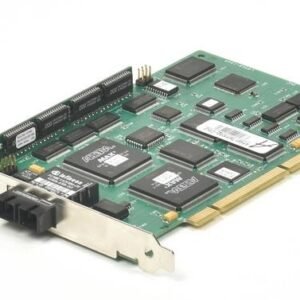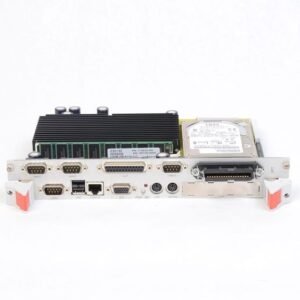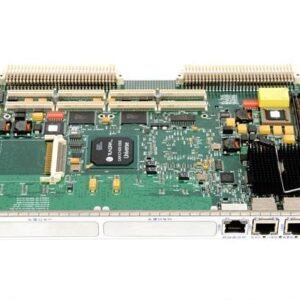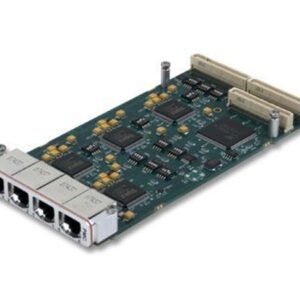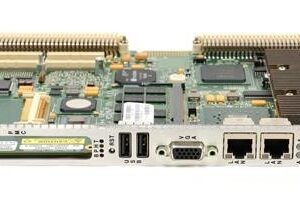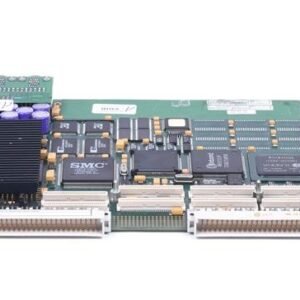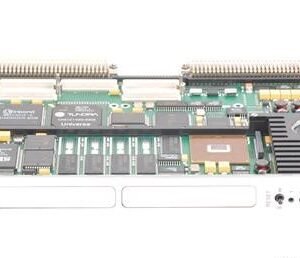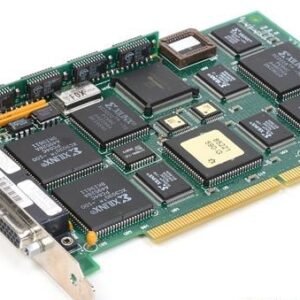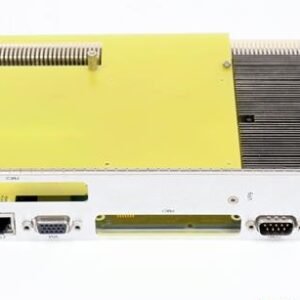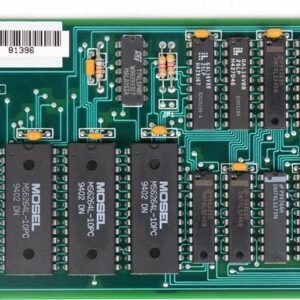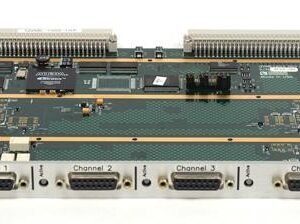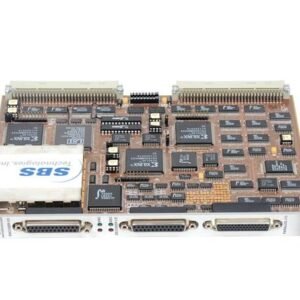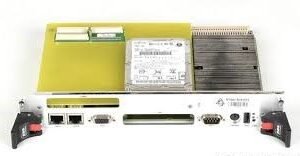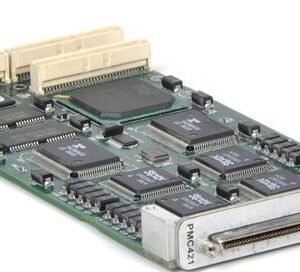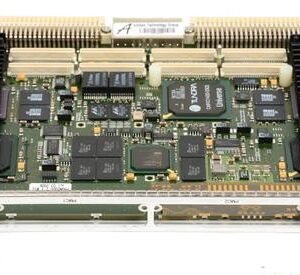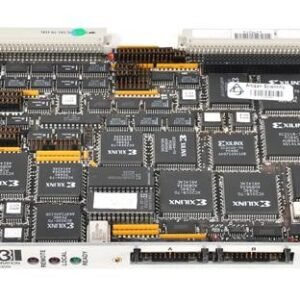
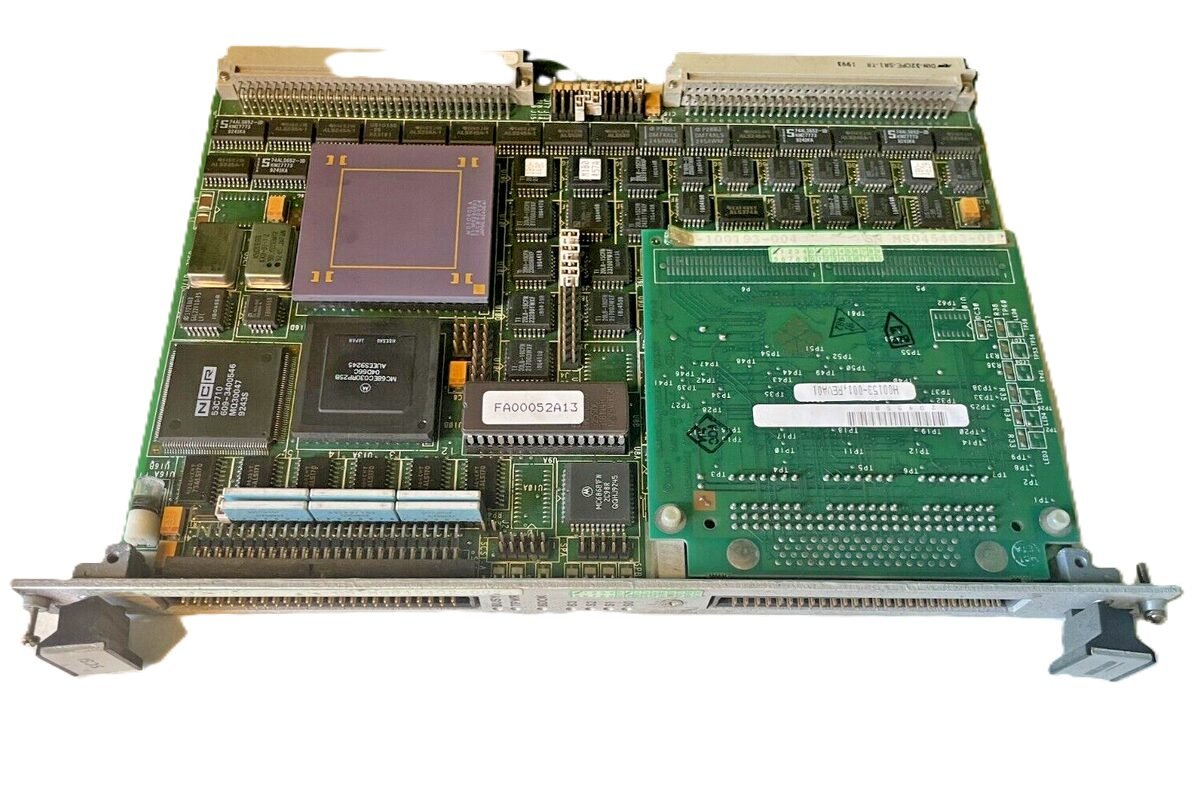

The Interphase V/SCSI-2 4220 Cougar II Card is a VMEbus-based SCSI controller that manages high-speed data transfer between host systems and multiple SCSI peripherals. It delivers performance through dual independent SCSI buses supporting simultaneous data streams and intelligent command queuing architecture.
## Technical Specifications
• **Interface:** V/SCSI-2
• **SCSI Device Support:** Up to 14 SCSI-2 devices per primary channel (7 per bus); optional secondary channel adds 7 devices for maximum 21 total. Configurable as Wide controller supporting up to 15 Fast or Fast and Wide devices per channel
• **Host Interface:** VMEbus
• **SCSI Connector Types:** 50-pin Centronics (SCSI-1/2); 68-pin High-Density (Fast/Wide SCSI-2)
• **Architecture:** MACSI (Multiple Active Command Software Interface) implemented in Short I/O
• **Command Processing:** Work queue-based management with concurrent command execution and interleaving across queues
• **Data Streams:** Two simultaneous independent data streams via dual SCSI buses
## Key Features
• Command queuing enables multiple active commands to execute concurrently, improving system responsiveness
• Work queue architecture interleaves commands from all active queues to maximize SCSI bus utilization
• Disconnect/Reconnect support permits overlapped activity on connected devices
• Dual independent SCSI buses eliminate bus contention between simultaneous data streams
• Real-time command completion status notification to host
• Scalable device connectivity—support for 14 to 21 total devices depending on channel configuration
## Typical Applications
• High-performance storage subsystem control in VME-based systems
• Multi-peripheral SCSI environments requiring sustained throughput
• Environments requiring concurrent command execution across multiple SCSI devices
• Systems leveraging Fast and Wide SCSI-2 device support
## Compatibility & Integration
The Cougar II integrates into VMEbus systems and supports standard SCSI-2 connector configurations. Dual-channel architecture allows independent control of separate SCSI device sets, enabling modular expansion without performance degradation.