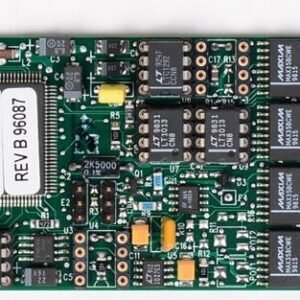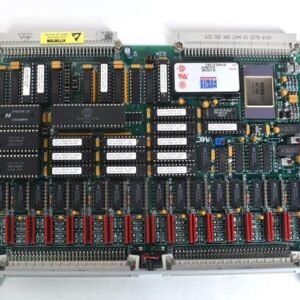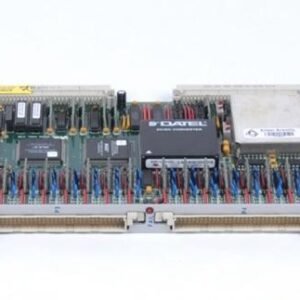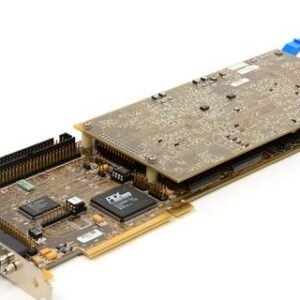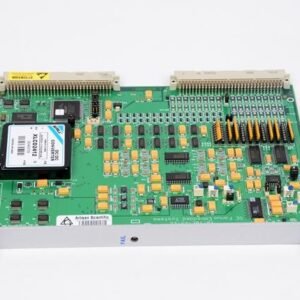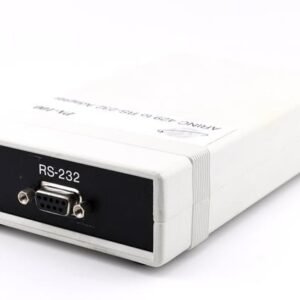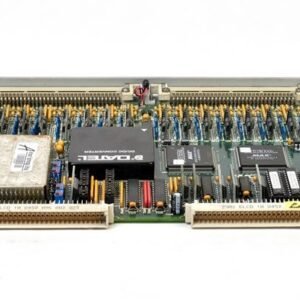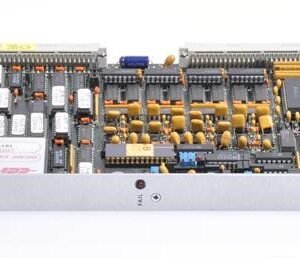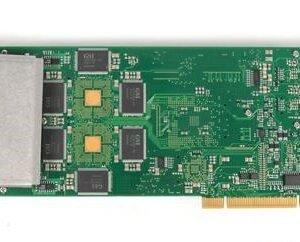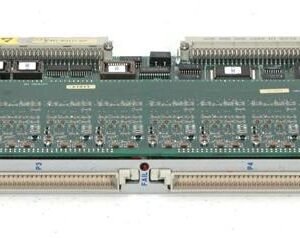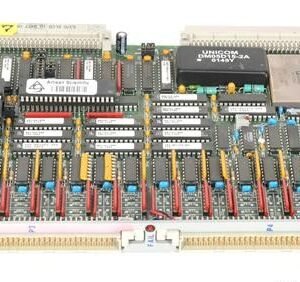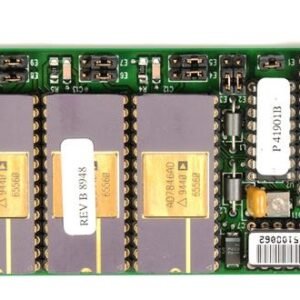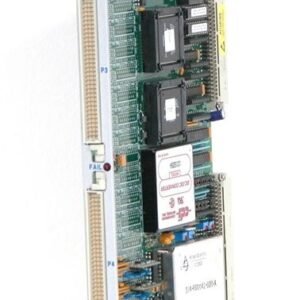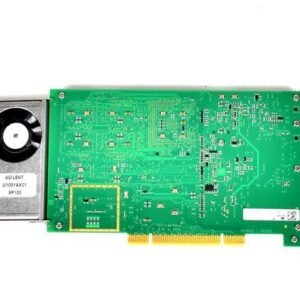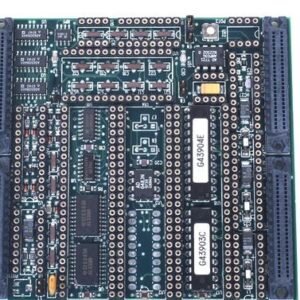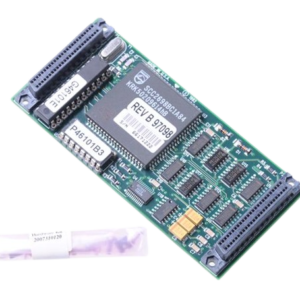

The Lockheed Martin/Sippican MK21 Data Acquisition Card captures, processes, and stores data from expendable oceanographic instruments deployed across research vessels, ships of opportunity, small boats, and aircraft. This specialized module employs Digital Signal Processing (DSP) technology for onboard computation and delivers time-stamped data integrity through an independent clock mechanism that eliminates data loss. Two configurations address diverse deployment scenarios: an ISA-based 5/8 size PC card for IBM-compatible Pentium systems, and a 19-inch rack-mountable USB enclosure compatible with Windows 2000, Windows XP, and higher.
Technical Specifications
• Form Factor: ISA version as 5/8 size PC card; USB version in 19-inch rack-mountable enclosure
• Processing Architecture: Digital Signal Processing (DSP) with onboard computation
• Data Integrity: Independent clock time-stamps every data point; buffered I/O prevents data loss
• Memory: Flash memory supports in-system programming and firmware upgrades
• Operating Systems: Windows 95 and higher (ISA); Windows 2000, Windows XP, or higher (USB)
• Data Format: ASCII text output compatible with spreadsheet applications and external software
– Key Features
• Auto GPS input (NMEA 0183 protocol)
• Selectable IGOSS and original drop rate options
• User-configurable noise reduction, data averaging, and salinity/density/sound velocity profile calculation
• WinMK21 Data Acquisition and Post-Processing Software included
• Independent time-stamping prevents data loss or skipping
– Typical Applications
Oceanographic research requiring real-time data acquisition from expendable probes in marine environments, including temperature/salinity profiling, bathythermograph operations, and conductivity-temperature-depth measurements on research platforms and air-launched systems.
– Compatibility & Integration
Full compatibility with all Lockheed Martin and Sippican expendable probes and launchers, including XBT, XSV, XCTD, and XBP instruments. Software provides user-selectable drop rate, probe terminal depth parameters, and automated post-processing capabilities for field operations and laboratory analysis.