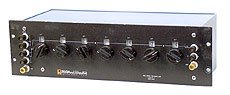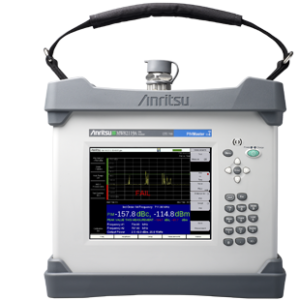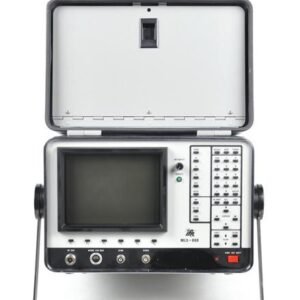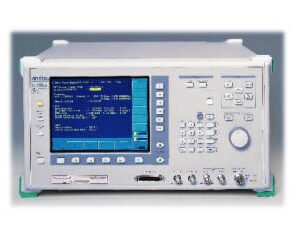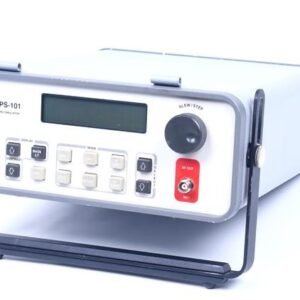
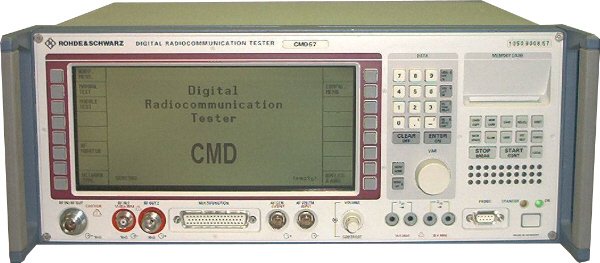

The Rohde & Schwarz CMD57 is a digital radio communication tester engineered for performance validation of GSM base stations and transceiver modules across multiple standards. It performs in-service transmitter and receiver measurements without interrupting active calls, delivering rapid characterization across development, production, installation, and field service workflows.
Technical Specifications
Supported Standards
• GSM900, E-GSM900, DCS1800 (PCN/DCS1800)
• PCS/DCS1900 (optional)
• UIC European train radiotelephony (optional)
RF Generator
• GSM900: 890.2 MHz to 914.8 MHz
• E-GSM900: 880.2 MHz to 890.0 MHz
• GSM1800: 1710.2 MHz to 1784.8 MHz
• GSM1900: 1850.2 MHz to 1909.8 MHz
• Channel resolution: 200 kHz (GSM spacing)
• Frequency settling time: 72 dB dynamic range; statistical, graphical, and numerical output
• Spectrum (modulation/switching): 500 bursts across 23 frequencies measured in 60 seconds; marker-based digital readout
• Module test: Full characterization without signaling or time synchronization
Receiver Measurements
• Bit error rate: Via Abis interface, IEEE bus, RS-232-C, BTS loopback, or CMD loopback
• Adjacent timeslot rejection: AGC measurement with up to 50 dB level difference simulation
Integrated Test Functions
• RF monitor: 30 kHz and 100 kHz bandwidths
• DC current and voltage measurement: Optimized for pulsed signals
• Echo test: Subjective speech quality on established calls
• AF measurement facilities (optional)
• 60 MHz frequency counter (optional)
• Fading effect simulation (available on request)
– Key Features
In-service testing minimizes base station downtime. Fast spectrum analysis (60 seconds per multi-frequency scan) accelerates troubleshooting. Integrated RF generation and monitoring eliminate external instrument requirements. Stationary and mobile deployment options.
– Typical Applications
GSM BTS development, manufacturing acceptance, field installation commissioning, and in-service maintenance across 900 MHz and 1.8/1.9 GHz bands.
– Compatibility & Integration
Receiver testing interfaces with Abis, IEEE, and RS-232-C connections. Module characterization operates independently of network signaling.