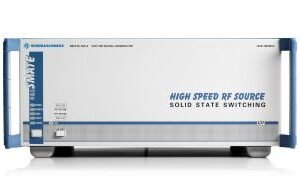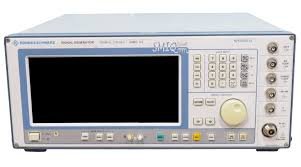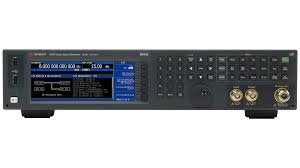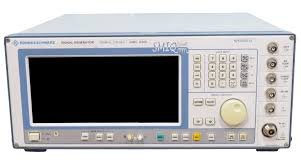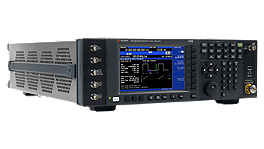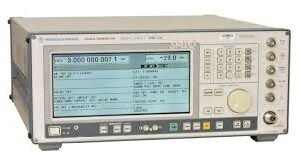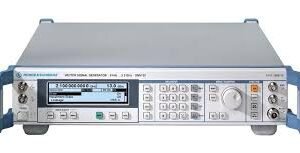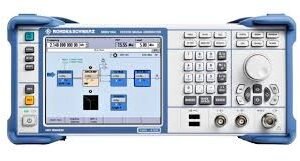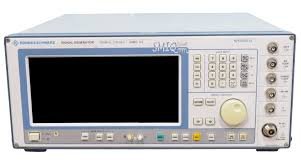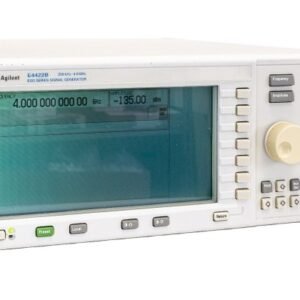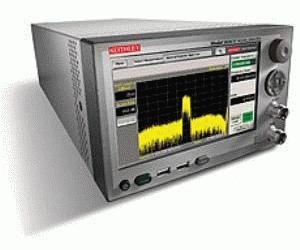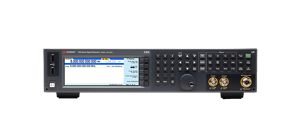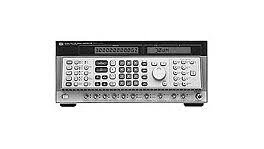
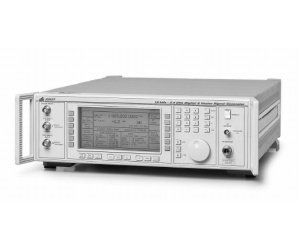

The Aeroflex 2050T is a digital and vector signal generator engineered for RF device development, digital communication system testing, and laboratory validation. Operating from 10 kHz to 1.35 GHz, it delivers precise frequency control with 100.0 mHz resolution and supports analog modulation (FM, ΦM, AM), digital modulation (FSK, PSK, QAM, GMSK), and vector IQ modulation. The instrument provides calibrated output power from −144 dBm to +13 dBm in analog mode, with extended ranges in digital/vector modes (−138 dBm to +6 dBm peak envelope power) and advanced digital modes. Designed for system integrators and RF engineers, the 2050T combines modulation versatility with stable frequency synthesis and flexible output control.
Technical Specifications
Frequency Range
• 10 kHz to 1.35 GHz (general carrier frequency)
• 50 MHz to 1.35 GHz in Digital and Advanced Digital modes
• 10 MHz to 1.35 GHz in Vector modes
• Frequency resolution: 100.0 mHz; displayed resolution 1 Hz minimum
• Digital/Vector mode resolution: 0.1 Hz
Output Power (Calibrated)
• Analog mode: −144 dBm to +13 dBm
• Digital/Vector modes: −138 dBm to +6 dBm peak envelope power
• Advanced Digital mode: −144 dBm to −9 dBm
• AM modulation reduces maximum output linearly to +7 dBm at standard depth
• Uncalibrated analog mode: up to +19 dBm
Modulation Capabilities
• Analog: FM, ΦM, AM
• Digital: FSK, PSK, QAM, GMSK
• Vector: IQ modulation with front-panel IQ inputs (50 Ω or 300 Ω selectable impedance)
• TETRA support with π/4 Differential QPSK
• Pulse modulation: 25 ns rise/fall time (optional slow rise time: 1 µs typical)
• Internal PRBS data source; external digital data input available
• Baseband I & Q outputs; envelope control for RF bursts
– Key Features
• Frequency stability and precision suitable for demanding RF validation
• Dual modulation oscillators available as option
• Wideband DCFM for fast FSK applications
• RF level control without interruption over 24 dB maximum range
• Selectable input impedance for IQ modulation
– Typical Applications
• Digital communication system development and testing
• RF device characterization and validation
• Transceiver and receiver bench testing
• TETRA and digital radio system simulation