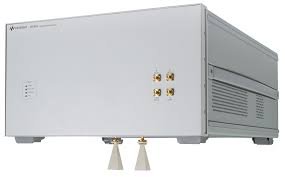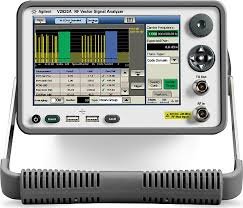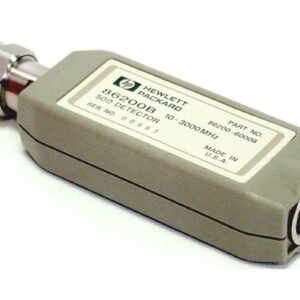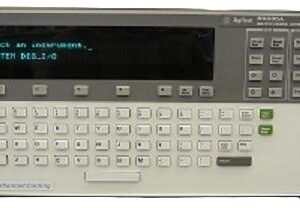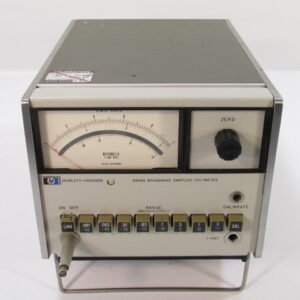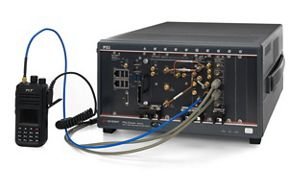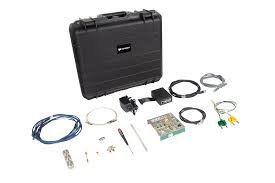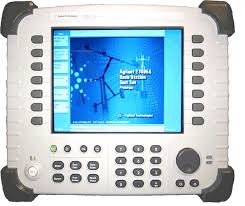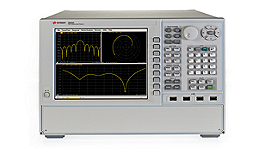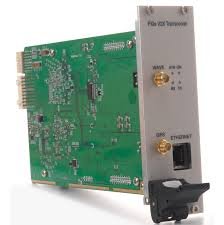

The Stanford Research NR series is a line of noise figure meters engineered for high-accuracy measurement of noise figure in electronic devices. These instruments quantify signal-to-noise ratio (SNR) degradation as signals pass through a device under test (DUT), isolating noise contributions from the DUT and downstream system components. Built for research, development, and quality control environments, the NR series employs the Y-factor technique—measuring output power at two distinct input noise power levels generated by a calibrated noise source.
Technical Specifications
• Measurement Principle: Y-factor method using calibrated noise sources with specified Excess Noise Ratio (ENR) values at spot frequencies
• Noise Figure Definition: Expressed in decibels (dB) as the ratio of input SNR to output SNR; referenced to standard noise temperature T0 = 290 K
• Input Power Levels: Designed to measure noise power within defined ranges, expressed in dBm
• Bandwidth: Operational bandwidth defines the frequency range for accurate measurement
• Gain Measurement: Concurrent gain measurement capability alongside noise figure determination
– Key Features
• Calibration-specific to noise source, preamplifier, and cable configuration; recalibration required upon component change
• Self-test functionality for system verification
• ENR performance data critical for calibration accuracy
– Typical Applications
• Device characterization in research environments
• Preamplifier and amplifier evaluation during development cycles
• Quality control testing of RF and microwave components
– Compatibility & Integration
The NR series integrates with commercial calibrated noise sources and amplifiers. System setup requires noise source calibration data (ENR values) specific to the operating frequencies. Standard interfaces support connection to external noise sources, preamplifiers, and control systems.