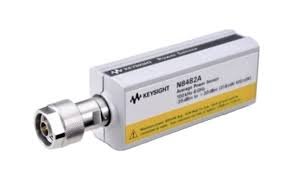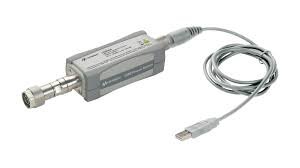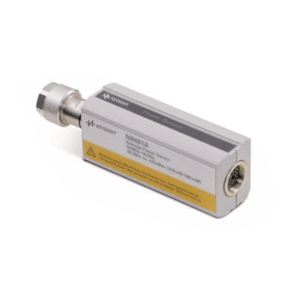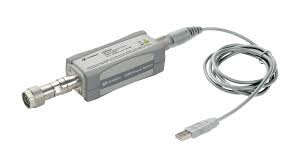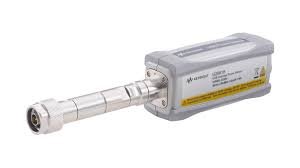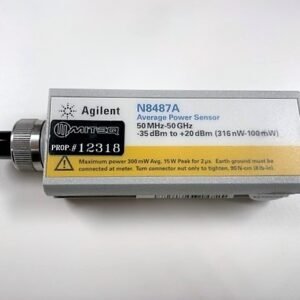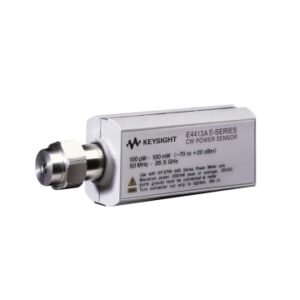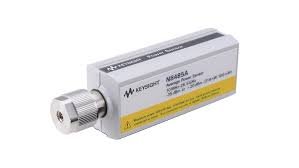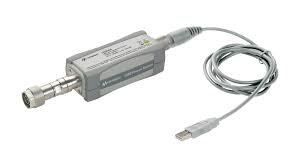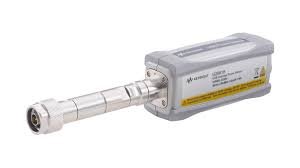
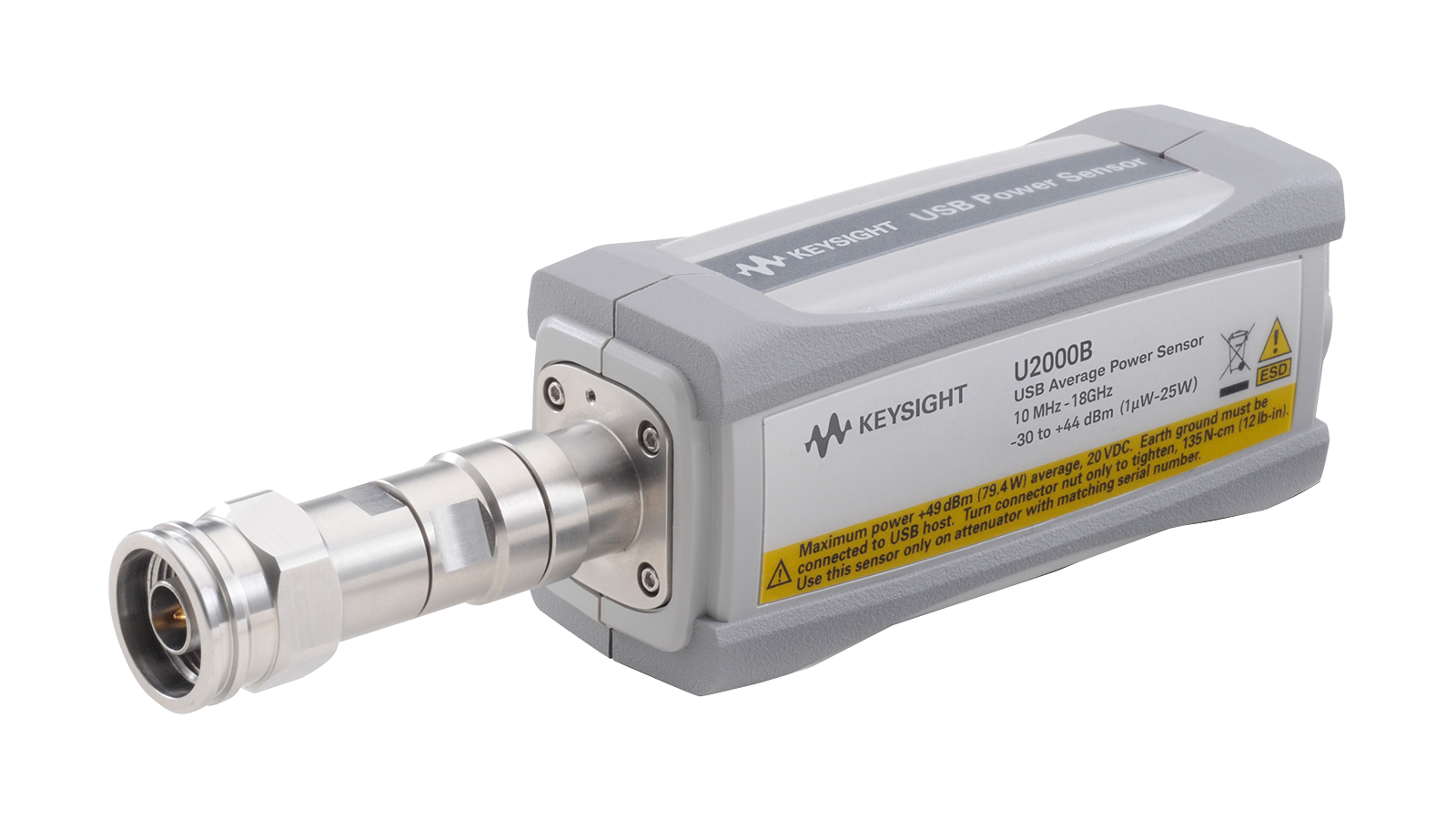

The Keysight U2000B is a USB-connected average power sensor delivering true average power measurements across 10 MHz to 18 GHz with -30 dBm to +44 dBm dynamic range. This compact instrument offers measurement uncertainty below 0.2 dB up to 3.6 GHz and below 0.3 dB up to 8 GHz, making it suitable for RF and microwave characterization in laboratory, research, and production settings.
Technical Specifications
• Frequency Range: 10 MHz to 18 GHz
• Power Measurement Range: -30 dBm to +44 dBm
• Dynamic Range: 80 dB
• Measurement Type: True Average Power
• Measurement Speed: Up to 250 readings/second in buffered mode
• Measurement Uncertainty: <0.2 dB up to 3.6 GHz; <0.3 dB up to 8 GHz
• Signal Analysis Bandwidth: 320 MHz (25 dBm, optional)
• Connector: Type N male
– Key Features
• Triggering Capability. Internal triggering responds to burst signal envelopes without external triggers. External trigger input also supported. Graphical trace display assists with gate placement and trigger level configuration.
• Zeroing Function. Internal zeroing isolates the sensor from the device under test without powering down, reducing test time and sensor wear. No external calibration signal required. External zeroing recommended for signals below -30 dBm.
• USB 2.0 Connectivity. Draws minimal power from USB port; no auxiliary power supply needed. Supports up to 20 simultaneous sensor control via PC software.
• Software Control. Compatible with Keysight BenchVue software and Power Panel (N1918A). Supports industry-standard SCPI commands for system integration.
– Typical Applications
• RF and microwave component characterization
• Burst signal envelope analysis
• Signal power monitoring in production test environments
• Detailed power measurement analysis requiring sub-0.3 dB accuracy
– Compatibility & Integration
Control via PC software, BenchVue Basic Power Meter/Sensor Control and Analysis App (BV0007B), or Power Panel (N1918A). Output displayable on PC or Keysight spectrum analyzers (N9320B, N9340B). SCPI compatibility enables integration into automated test systems.