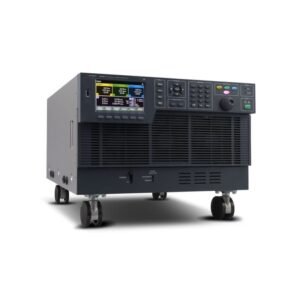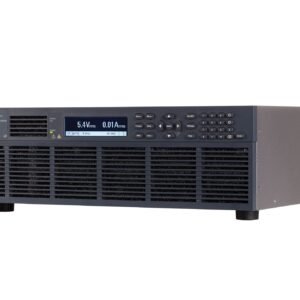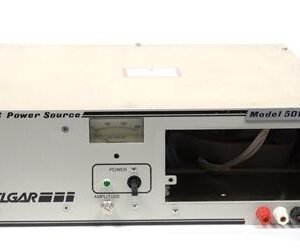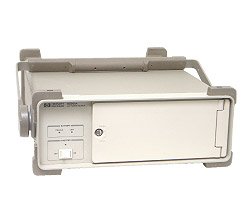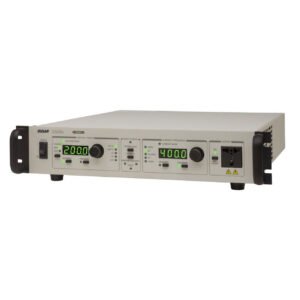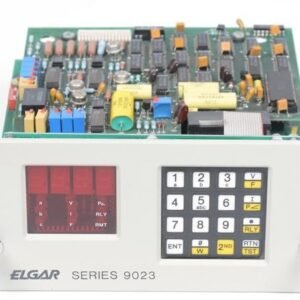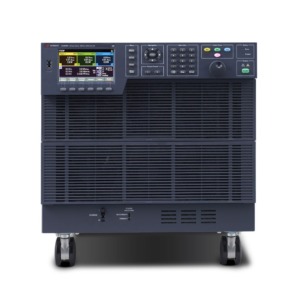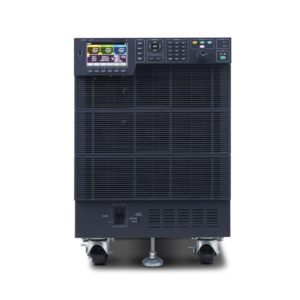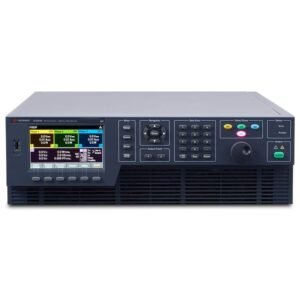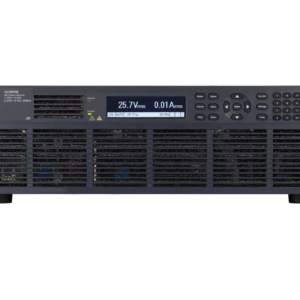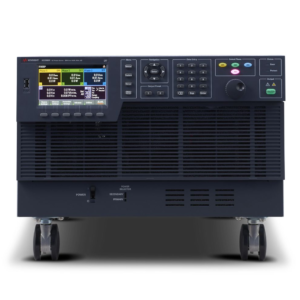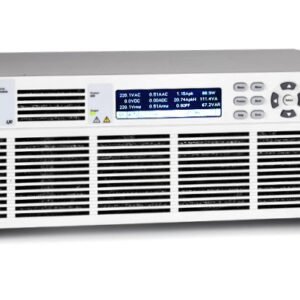

A frequency converter transforms alternating current at one frequency into AC at a different frequency, enabling precise frequency control and voltage regulation across global power standards, aerospace simulation, and industrial machinery applications. These devices isolate power systems and protect critical loads from mains disturbances through fully isolated AC connections and galvanic output isolation.
Technical Specifications
Power Ratings
• Power range: 500 VA to 24 kVA; specialized units available to 3,500 kVA
• Total rated capacity: up to 6,000 VA
• Overload capacity: 150% for 5 minutes, with some models supporting 300% overload
Input
• Voltage: 95–264 VAC, 220V ±10%, 115/200 VAC, or up to 12 kV AC; DC inputs 120–350 Vdc available
• Frequency: 47–430 Hz standard; 360–800 Hz for specialized applications
• Configuration: Single-phase or three-phase
Output
• Voltage: 0–250 V, 0–1,000 V, 115 VAC, 230 VAC, or up to 12 kV AC; adjustable voltage available
• Frequency: Fixed at 50 Hz, 60 Hz, or 400 Hz; variable outputs from 16 2/3 Hz to 800 Hz
• Frequency accuracy: ±0.05%
• Waveform: Pure sine wave with THD <3% or <1.5%
• Configuration: Single-phase or three-phase
• Isolation: Galvanic output isolation via transformer
– Key Features
• Wide input and output voltage ranges accommodate diverse global standards
• Pure sine wave output ensures clean power delivery with minimal harmonic distortion
• Frequency accuracy to ±0.05% supports precision testing and industrial control
• Fully isolated output transformer provides galvanic separation
• Overload tolerance enables temporary operation beyond rated capacity
– Typical Applications
• Testing equipment for equipment validation across different power standards
• Aerospace power system simulation
• Industrial machinery requiring specific operating frequencies
• Critical load protection and power system isolation
– Compatibility & Integration
Universal input voltage support (95–264 VAC or equivalent) permits installation in diverse electrical environments. Both single-phase and three-phase configurations adapt to existing infrastructure. Adjustable output voltage and variable frequency capability accommodate multiple equipment requirements within a single unit.