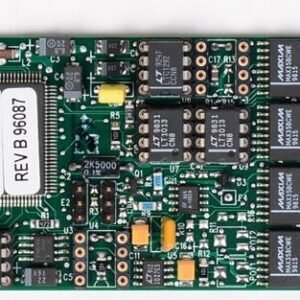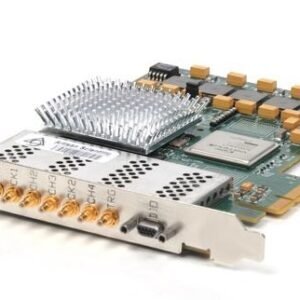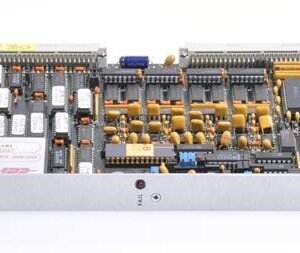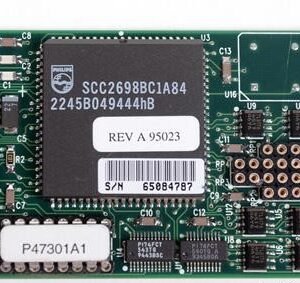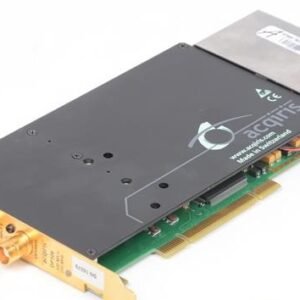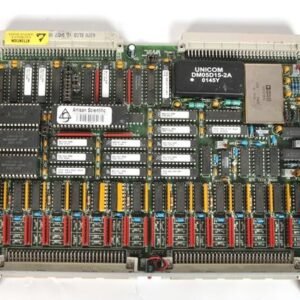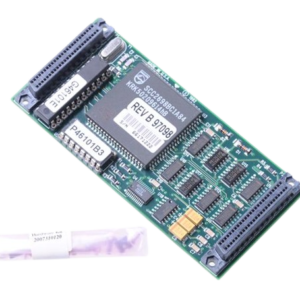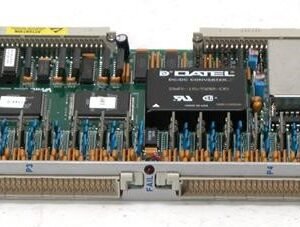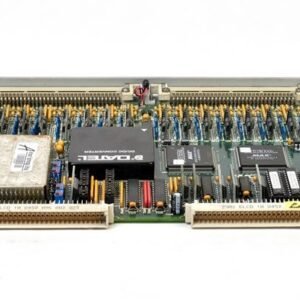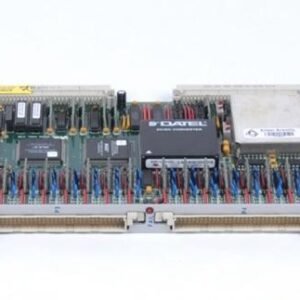
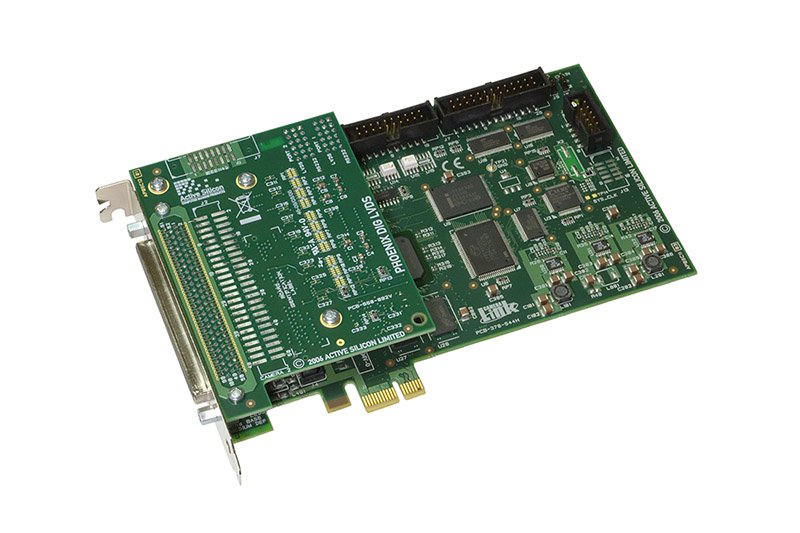

The Active Silicon Phoenix-D36-PE1 is a PCI Express digital frame grabber designed for high-speed image acquisition in industrial, medical, and scientific applications. It captures digital data from frame and line scan cameras via LVDS and RS-422 interfaces, delivering burst rates exceeding 190 MBytes/sec over a single-lane PCIe v1.1 connection. The board employs an FPGA for flexible, software-configurable interfacing and includes hardware-accelerated DataMapper for real-time reformatting of camera data.
Technical Specifications
• Data Interface: 36-bit EIA-644 (LVDS) inputs plus 4 dedicated control bits (Frame Enable, Line Enable, Data Enable, Pixel Clock)
• Pixel Clock: Maximum 60 MHz
• Data Width Support: Single 12-bit RGB or 32-bit mono; multi-tap configurations; alternative mode supports two independent 16-bit mono cameras
• Mono Data Widths: 8-, 10-, 12-, 14-, 16-, or 32-bit
• Color Data Widths: 15-, 16-, 24-, 32-, or 48-bit RGB/BGR
• Camera Tap Formats: Line interlaced, line offset, pixel interlaced, pixel offset
• PCI Express: Single-lane (x1) v1.1; burst rates exceed 190 MBytes/sec
• Bus Mastering: 0% CPU utilization for scatter-gather operations
• Power Consumption: +3.3V at 1A typical
– Key Features
• Hardware DataMapper converts raw camera data on-card, including mono-to-32-bit color conversion
• Region of Interest (ROI) and sub-sampling controls optimize processing speed
• Dual UART channels support EIA-232 (RS-232) and EIA-644 (LVDS) signaling
• 4-bit opto-isolated I/O with configurable input/output allocation; outputs sink 20 mA from 24V; inputs sense 3.3V to 24V as logic high
• Two 2-bit differential LVDS input ports (AuxInXY) for external devices such as shaft encoders
• Two 8-bit TTL I/O ports
• FPGA-based 16-bit input, 16-bit lookup table (LUT) for custom processing
– Typical Applications
Machine vision, automated inspection, medical imaging, scientific research, and industrial quality control requiring flexible multi-camera acquisition and on-board data conditioning.
– Compatibility & Integration
Supports multi-tap and single-tap camera architectures with line and pixel interlacing. Compatible with standard frame and line scan cameras using LVDS control and data signaling. End-of-life product; contact sales for alternative solutions.