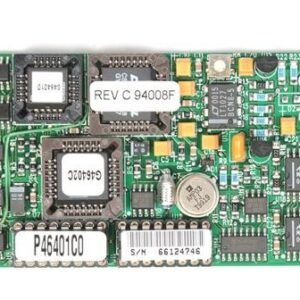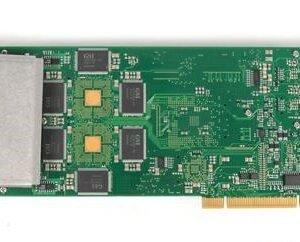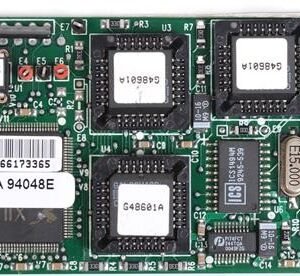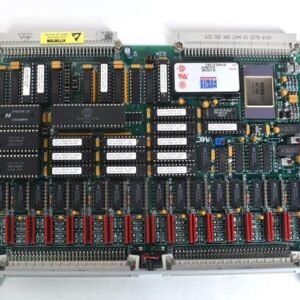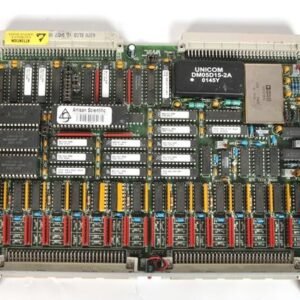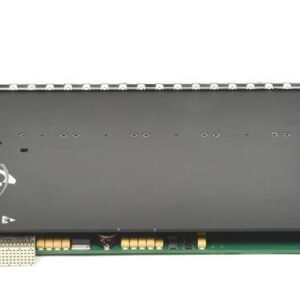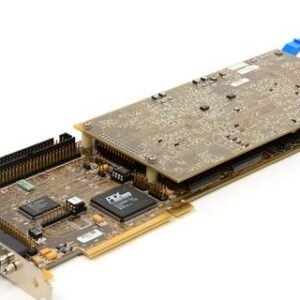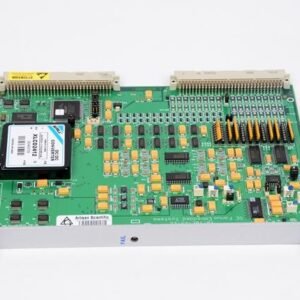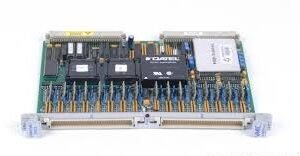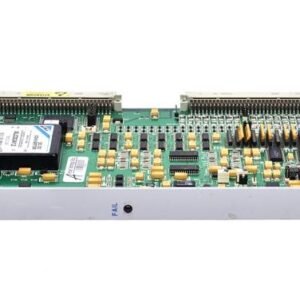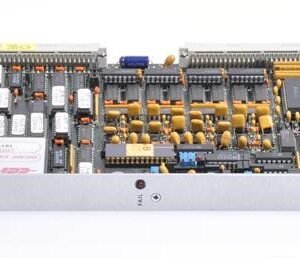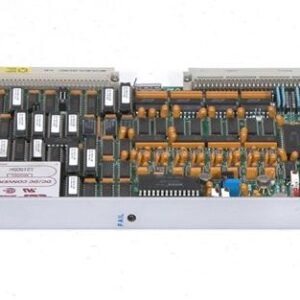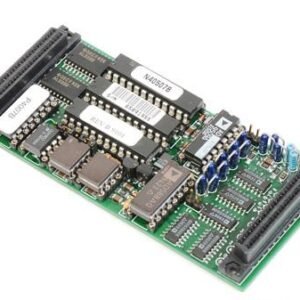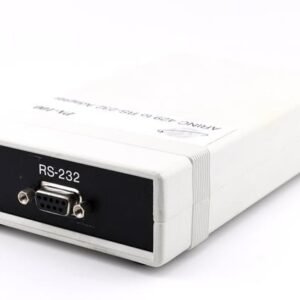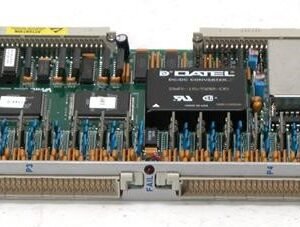

The Agilent/Keysight 34531A is a modular data acquisition and signal routing mainframe designed for automated testing, measurement, and unattended data logging applications. It combines high-speed data acquisition with flexible signal switching via plug-in modules, enabling precise event capture and versatile signal management across laboratory and production environments.
Technical Specifications
Data Acquisition and Measurement:
• Modular mainframe architecture with configurable plug-in modules
• Unattended, paced measurements over fixed time intervals or event counts
• High-speed data acquisition capability
• Onboard memory for measurement result storage with volatile and non-volatile options
• Analog level triggering with programmable pre- and post-triggering
Switching Modules:
• Armature multiplexers: 40-channel or 70-channel, 300 V, 1 A, with low thermal offset and high-frequency switching
• Reed multiplexers: 40/80-channel or 70-channel, 150 V, 0.5 A, supporting 1-, 2-, or 4-wire configurations
• Optically isolated multiplexers: 80 V, 0.02 A
• Matrix modules: Dual 4×16 or Dual/Quad 4×8 configurations with various voltage and current ratings
• Digital I/O: 64-bit with programmable polarity, thresholds to 5 V, counter with handshaking and pattern memory
• Analog output: 4-channel isolated D/A converter, ±16 V DC or ±20 mA DC output, 200 kHz update rate
– Key Features
• SCPI programming compatibility for integration with existing test systems
• Multiple interface standards: GPIB, USB, RS-232
• LXI Class C compliance available on compatible units for network-based control
• Terminal block connectivity and flexible signal connection options
– Typical Applications
Automated test systems, signal routing in measurement setups, unattended data logging, multi-channel signal switching, and mixed-signal test environments requiring synchronized acquisition and switching.
– Compatibility & Integration
Supports Keysight VEE, MATLAB, and NI LabVIEW environments for application development. Standard PC connectivity via GPIB, USB, and RS-232 interfaces enables straightforward integration into existing instrument networks.