
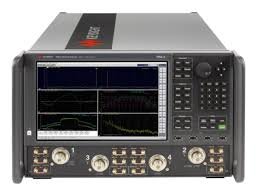
Vector Network Analyzers
Showing 85–96 of 373 results

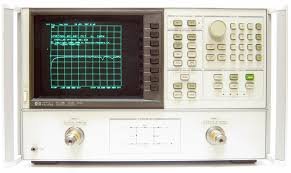
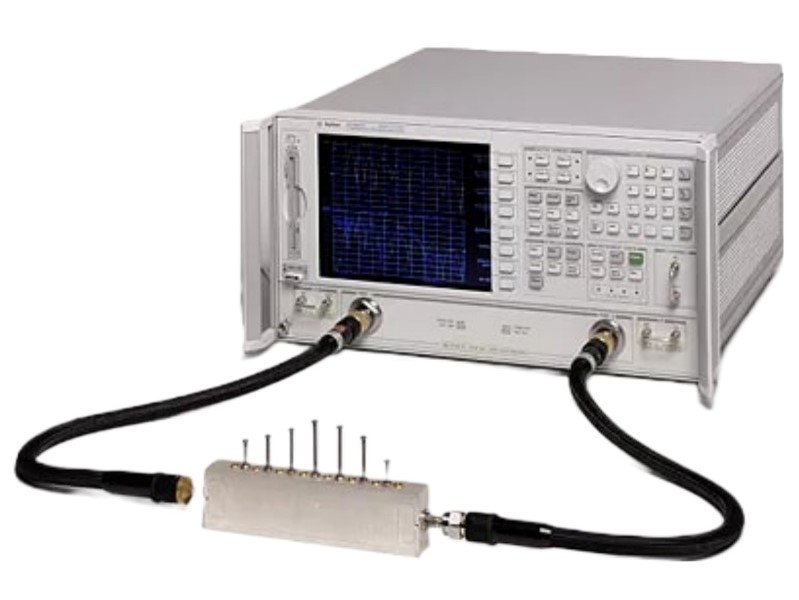
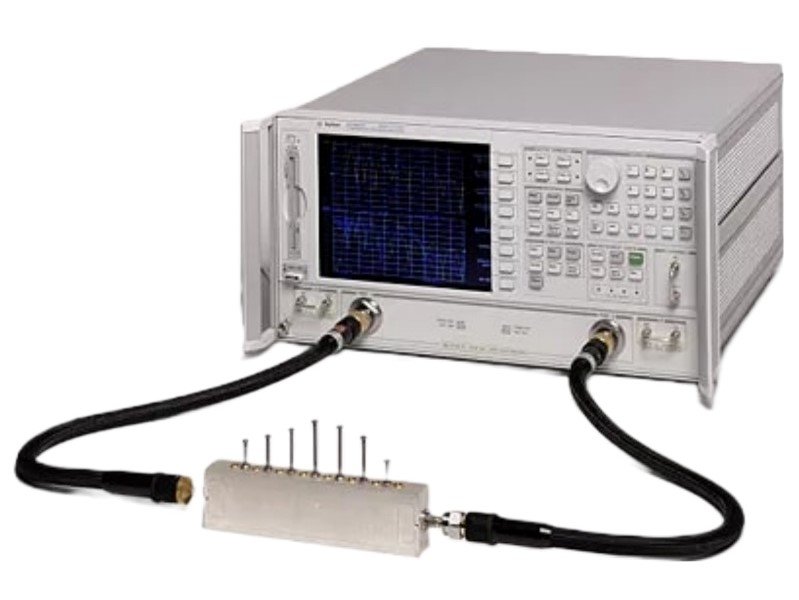
Keysight / Agilent / HP 8720A 130 MHz to 20 GHz Microwave Network Analyzer
$3,500.00
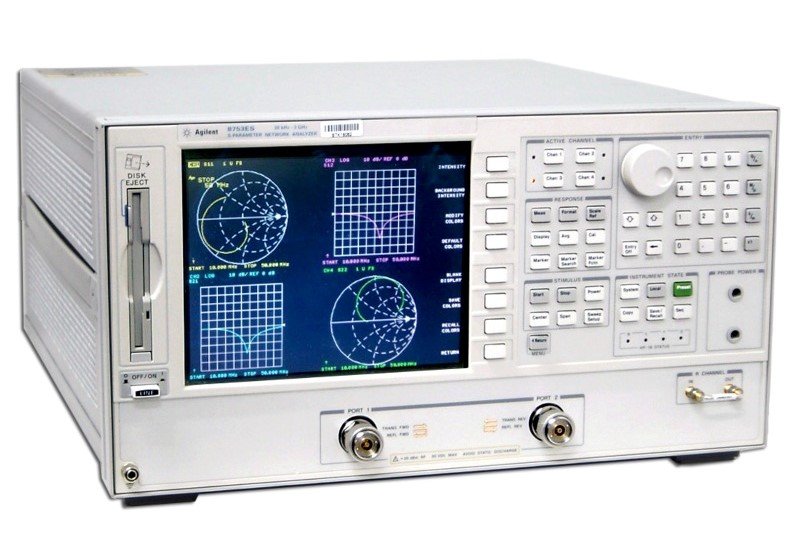
HP / Agilent 8753ET 3 GHz Transmission/Reflection Network Analyzer
$7,739.80
HP / Agilent 8752C 6GHz RF Network Analyzer
$7,091.80HP / Agilent 8722ET 40 GHz S-parameter Vector Network Analyzer
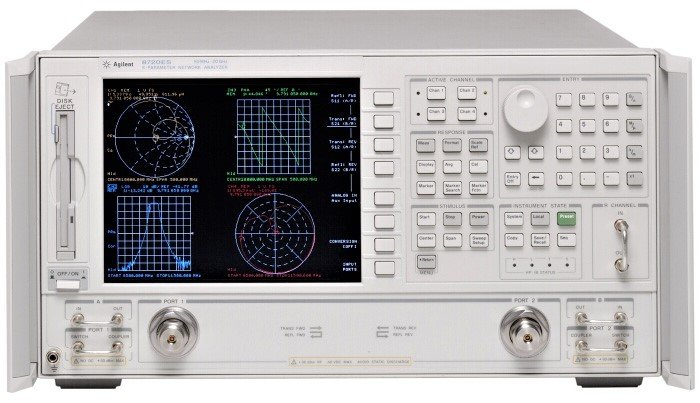
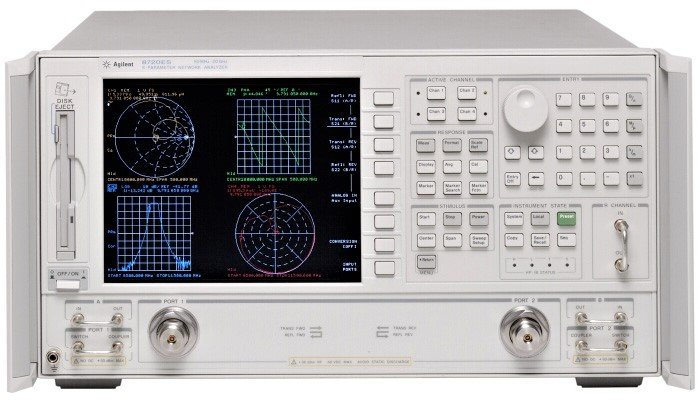
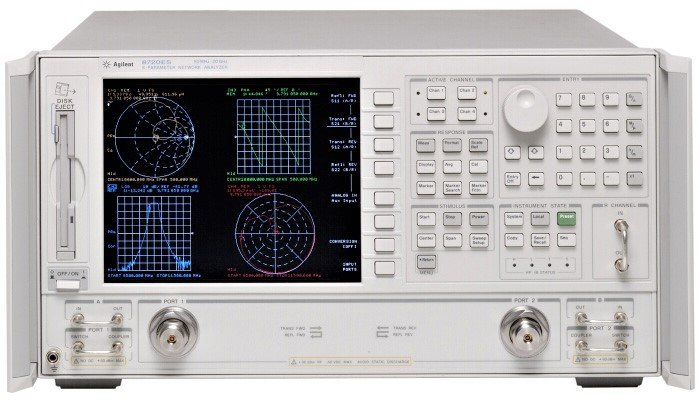
$30,820.00HP / Agilent 8722ES 40 GHz S-parameter Vector Network Analyzer
$38,534.38
HP / Agilent 8720ET 20 GHz Transmission/Vector Network Analyzer
$13,060.00HP / Agilent 8720C 40 GHz Microwave Network Analyzer
$8,500.00HP / Agilent 8719ET 13.5 GHz Transmission/Reflection Vector Network Analyzer
$28,660.00HP / Agilent 8719ES S-parameter Vector Network Analyzer, 50 MHz to 13.5 GHz
$14,260.00
HP / Agilent 8719D 40GHz Microwave Vector Network Analyzer
$7,408.00
HP / Agilent 8714ET 3GHz RF Network Analyzer
$4,288.00HP / Agilent 8712ES 1.3 GHz RF Network Analyzer
$2,128.00
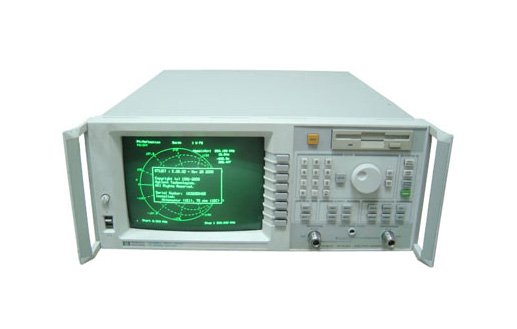
Vector Network Analyzers
Vector network analyzers are precision RF and microwave instruments used to measure the complex electrical behavior of components, circuits, and systems across frequency. They provide detailed information about how signals are transmitted, reflected, and absorbed by a device under test. At Aumictech, vector network analyzers are positioned as foundational characterization tools, because they reveal performance characteristics that cannot be captured with basic amplitude or frequency measurements alone.
Unlike scalar measurement tools, vector network analyzers measure both magnitude and phase. This enables accurate evaluation of impedance, return loss, insertion loss, group delay, and other parameters that define real-world RF performance. For engineers working with high-frequency systems, VNAs are essential for design validation, troubleshooting, and compliance.
Role of Vector Network Analyzers in RF Systems
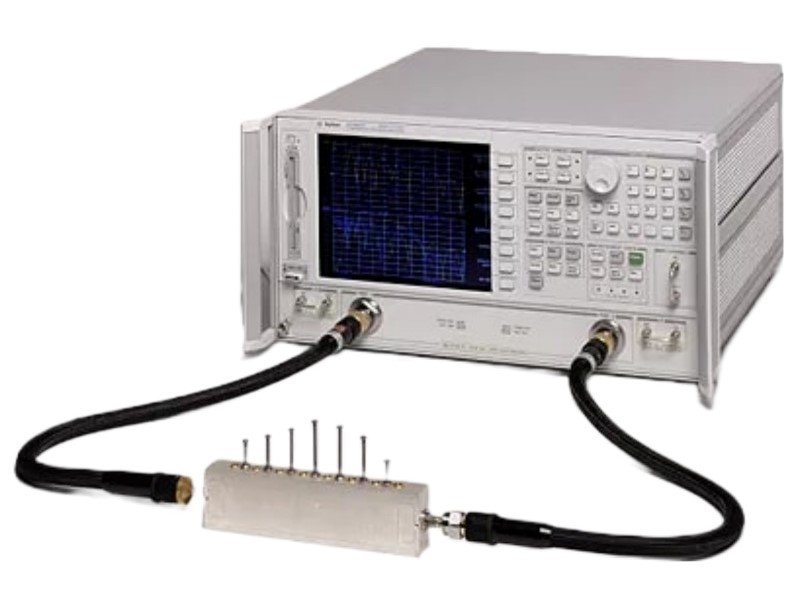
Vector network analyzers are used to characterize how RF energy interacts with devices such as filters, amplifiers, cables, antennas, connectors, and passive components. By measuring scattering parameters, engineers can determine how efficiently a device transmits signals and how much energy is reflected back toward the source.
In development environments, VNAs support design optimization by providing precise feedback on component behavior across frequency. In production testing, they enable consistent verification of performance against specifications. In service and maintenance applications, VNAs help diagnose faults related to impedance mismatch, degradation, or connectivity issues.
VNAs are also critical in antenna testing, where accurate impedance and return loss measurements directly affect radiation efficiency and system performance.
Key Performance Characteristics
Frequency range defines the span over which the analyzer can measure network parameters. Broader coverage supports modern RF, microwave, and millimeter-wave applications.
Dynamic range determines the analyzer’s ability to measure very small signals in the presence of large ones. High dynamic range is essential for accurate loss and isolation measurements.
Measurement accuracy depends on internal stability, calibration quality, and noise performance. High accuracy ensures reliable and repeatable results.
Phase stability affects the precision of phase-related measurements such as group delay and time-domain analysis.
Port count determines how many signal paths can be measured simultaneously. Two-port VNAs are common, while multi-port VNAs support more complex system characterization.
Sweep speed and data processing capability influence test efficiency, especially in automated and production environments.
Types of Vector Network Analyzers
Two-port VNAs are used for measuring basic transmission and reflection characteristics of components and cables.
Multi-port VNAs support complex devices such as multi-antenna systems, RF modules, and integrated assemblies.
Portable VNAs provide flexibility for field testing, installation verification, and on-site diagnostics.
High-performance laboratory VNAs offer maximum accuracy, stability, and advanced analysis features.
Millimeter-wave VNAs extend measurement capability into extremely high frequencies used in advanced research and communication systems.
Calibration and Measurement Considerations
Calibration is essential for accurate VNA measurements. Proper calibration removes systematic errors introduced by cables, connectors, and internal signal paths.
Calibration kits and standards must match the frequency range and connector type used in the measurement setup.
Environmental stability affects measurement consistency. Temperature variation, mechanical movement, and connector wear can all influence results.
Proper measurement technique and handling practices are critical for maintaining accuracy, especially at higher frequencies.
Applications Across Industries
Vector network analyzers are used across telecommunications, aerospace and defense, semiconductor manufacturing, and research laboratories. They support component design, system validation, antenna development, and electromagnetic compatibility testing.
Calibration laboratories rely on VNAs to verify impedance standards and characterize RF components with traceable accuracy.
Production environments use VNAs to ensure consistency and compliance across manufactured RF devices.
Field engineers use portable VNAs to diagnose cable faults, antenna issues, and system mismatches in deployed RF systems.