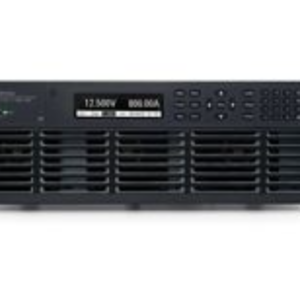

The MTI BST8-3 is an eight-channel battery analyzer engineered for comprehensive testing of small coin cells and cylindrical batteries. Each of the eight independent channels operates under computer control with programmable configuration, enabling simultaneous multi-protocol testing for electrode material research, performance characterization, battery formation, and capacity grading. The system automatically resumes operation on all stopped channels following power restoration, maintaining data integrity throughout extended test sequences.
Technical Specifications
Electrical Performance
• Current range: 6.0 mA to 3000 mA, programmable
• Current accuracy: ±(0.05% of reading + 0.1% of range)
• Voltage range: 0.5 V to 5 V, programmable
• Voltage accuracy: ±(0.05% of reading + 0.1% of range)
• Power consumption: 200 W
• Input: 110 V AC or 220 V AC selectable
Test Parameters
• Data logging interval: 1 to 900 seconds
• Maximum measurement cycles: 9999
• Independent channel control with distinct working modes per channel
Physical & Interface
• Dimensions: 445 mm (L) × 380 mm (D) × 135 mm (H)
• Connectivity: Ethernet—supports linking up to 20 analyzers to a single PC
• Software: TC5.3 with calibration functions and mode configuration
– Key Features
• Eight fully independent programmable channels for simultaneous diverse test protocols
• Selectable AC input voltage (110 V or 220 V) for global deployment
• Automatic power-failure recovery preserves test continuity
• Dual battery holder system: gold-plated spring-load holders (adjustable height to 70 mm) and alligator clip cables for universal cell types
• Integrated software modes: constant current discharge/charge, constant voltage charge, constant resistance discharge, and rest cycles
– Compatibility & Integration
The analyzer accommodates coin cells, cylindrical batteries up to 70 mm height, and pouch cells via included alligator clips. A pre-configured laptop (Windows 10, 4 GB RAM, 128 GB SSD) with testing software ships with the instrument. Multi-unit installations connect via Ethernet to centralize control and data management.