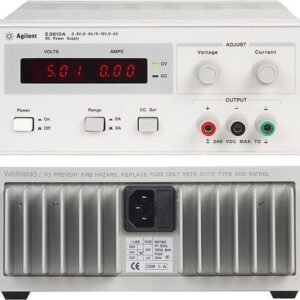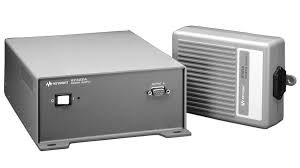
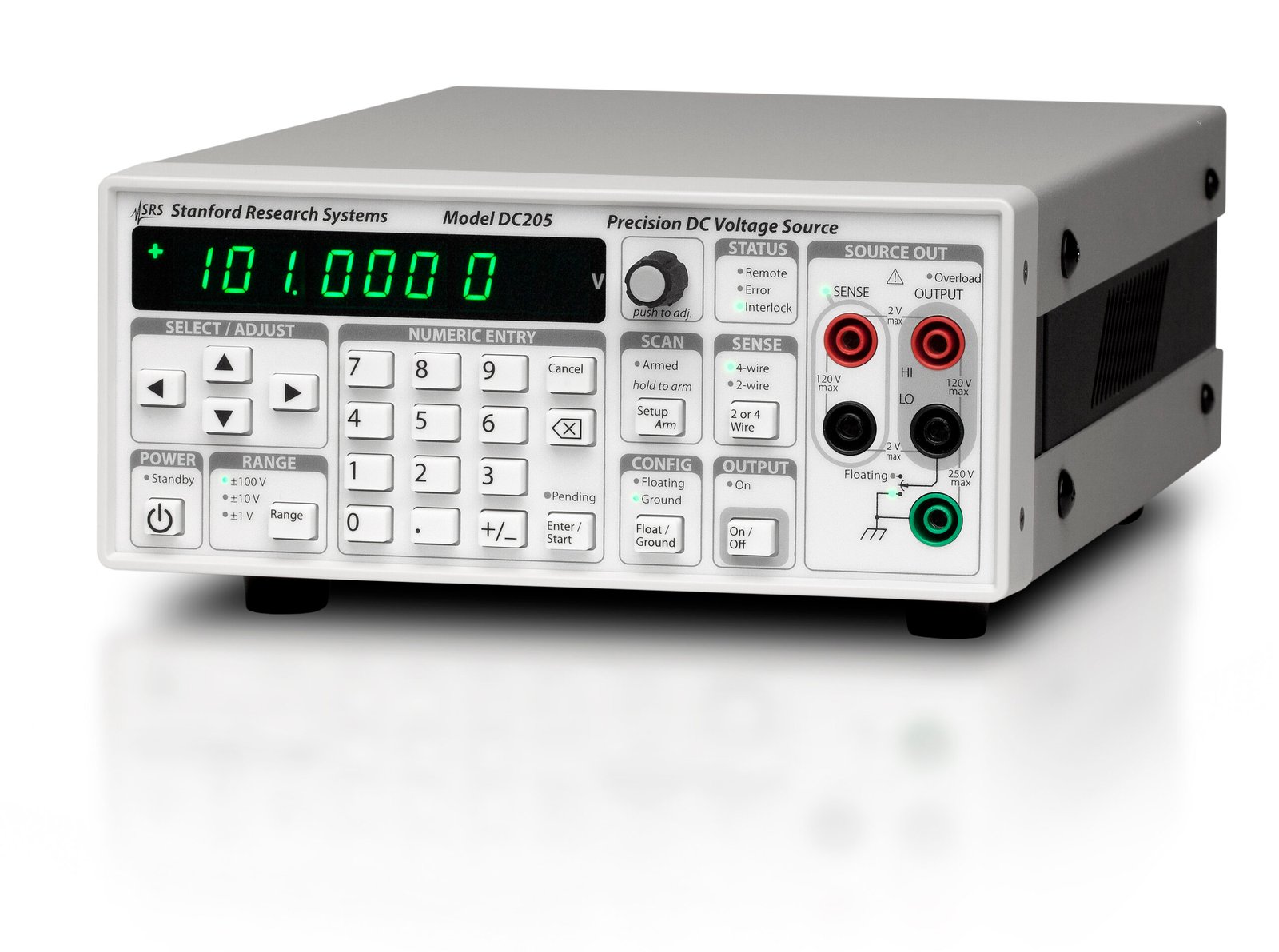

The Stanford Research Systems DC205 is a precision DC voltage source engineered for applications demanding ultra-stable, accurate voltage outputs with minimal noise. It delivers bipolar, four-quadrant operation across three voltage ranges (±1 V, ±10 V, ±100 V) with true 6-digit resolution down to 1 µV per step. Maximum output current is limited to 50 mA, making this instrument ideal for precision bias sourcing, threshold setting, metrology, calibration, and precision control systems rather than high-current applications.
Technical Specifications
• Voltage Output: ±1 V, ±10 V, ±100 V ranges; 1 µV resolution
• Accuracy: 0.0025% (1 year)
• Output Stability: ±1 ppm over 24 hours; 1 ppm/°C temperature stability
• Output Current: 50 mA maximum
• Noise Performance: <1 µVrms (0.1–10 Hz, ±1 V range); 12 µVrms (10 Hz–100 kHz, ±10 V range); 50 nV/√Hz broadband noise
• Output Impedance: ~20 Ω above 1 kHz
• Warm-up Time: 2 hours for specified stability
• Power Supply: Linear design to minimize high-frequency noise
• Power Consumption: 30 W
– Key Features
• 4-wire remote sense mode corrects lead resistance and ensures accurate voltage at load; 2-wire operation selectable
• Grounded or floating output; floats up to 250 V relative to chassis ground in floating mode
• Triggerable voltage scanning with user control over start/stop voltages, scan speed, and waveform (ramp or triangle)
• Scan speeds range from 100 ms to 10,000 s; supports single and continuous scans
• Front-panel 6-digit display for voltage setting
– Typical Applications
Precision bias sourcing, laboratory threshold setting, metrology and calibration standards, precision control systems, low-noise voltage references.
– Compatibility & Integration
RS-232, USB, and fiber optic interfaces via SX199 Remote Computer Interface Unit. AC line inputs: 100 V, 120 V, 220–230 V, or 240 V at 50 Hz or 60 Hz. Benchtop form factor.